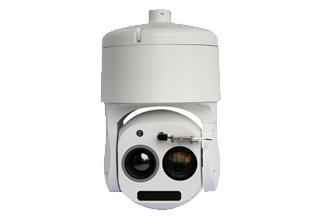
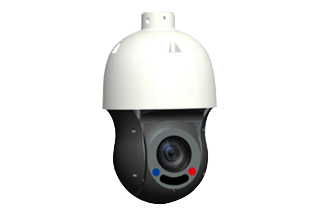
In security and monitoring systems, blind spots are vulnerabilities. Whether in industrial facilities, public spaces, campuses, or logistics centers, areas that fall outside camera coverage can become entry points for risk, loss, or safety incidents. Intelligent PTZ (Pan-Tilt-Zoom) camera surveillance offers a powerful solution by combining wide-area visibility with smart tracking and adaptive monitoring.
What Makes PTZ Cameras Different
PTZ cameras are designed to move, adapt, and focus where needed. Their core capabilities include:
- Pan – Horizontal rotation for wide-area coverage
- Tilt – Vertical movement to monitor different elevations
- Zoom – Optical zoom for detailed inspection of distant objects
But modern systems go beyond manual control. Intelligent PTZ cameras integrate automation, analytics, and tracking technologies to actively minimize blind zones.
How Intelligent PTZ Surveillance Reduces Blind Spots
1. Wide-Area Coverage from a Single Device
A single PTZ camera can monitor an area that would otherwise require several fixed cameras. By sweeping across zones using programmed patrol paths, it covers multiple viewpoints in sequence.
2. Auto-Tracking of Moving Objects
With AI-powered analytics, intelligent PTZ cameras can automatically detect and follow:
- People
- Vehicles
- Suspicious motion patterns
Instead of staying fixed, the camera dynamically follows activity, ensuring moving subjects do not disappear into unmonitored areas.
3. Preset Positions for Critical Zones
Operators can define preset angles for entrances, gates, loading docks, corridors, or high-value storage areas. The camera cycles through these key points, reducing the chance that important areas go unchecked.
4. Event-Triggered Repositioning
When integrated with sensors or video analytics, PTZ cameras can instantly redirect focus when:
- Motion is detected
- An alarm is triggered
- Unusual behavior is identified
This rapid response helps eliminate temporary blind spots during incidents.
5. Zoom for Detail Without Physical Repositioning
Blind spots are not only about coverage gaps — they also include areas where detail is insufficient. Optical zoom allows operators to inspect distant or obscured areas without installing additional cameras.
PTZ systems are especially effective in large or complex spaces such as:
- Warehouses and logistics hubs
- Industrial production sites
- Campuses and corporate parks
- Transportation terminals
- Parking lots and perimeter zones
- Stadiums and event venues
These environments often have dynamic activity and wide areas where fixed cameras alone struggle to provide complete coverage.
Human + Intelligent Automation
While PTZ cameras can operate automatically, they also empower security teams. Operators can take manual control during critical events, zooming in and tracking situations in real time. The combination of automation for routine monitoring and human oversight for decision-making creates a highly responsive surveillance system.
Blind spots represent risk — and in modern security environments, reducing those risks requires more than static monitoring. Intelligent PTZ camera surveillance provides adaptive coverage, automated tracking, and detailed visual control, turning previously vulnerable areas into actively monitored zones.