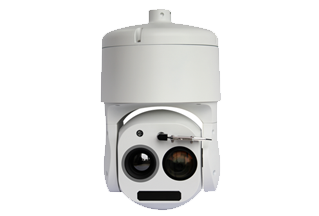
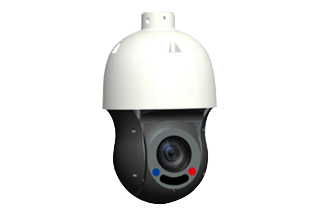
As security systems evolve from passive recording tools into intelligent monitoring networks, the integration of PTZ (Pan-Tilt-Zoom) cameras with video analytics platforms is transforming how organizations detect, track, and respond to events in real time. This combination delivers not just visibility — but situational awareness and automated decision support.
What Makes PTZ Cameras Unique?
Unlike fixed cameras, PTZ cameras offer:
- 360° horizontal movement (pan)
- Vertical tilt control
- Optical zoom for detailed inspection
- Remote and automated control
This flexibility allows a single camera to monitor wide areas and then zoom in on specific incidents, making PTZ devices ideal for:
- Airports and transportation hubs
- Industrial facilities
- Smart cities
- Large retail environments
- Perimeter security
However, PTZ cameras become exponentially more powerful when paired with intelligent video analytics.
Role of Video Analytics Platforms
Video analytics platforms use AI and computer vision to transform raw video into meaningful data. Common capabilities include:
- Object detection and classification
- Facial recognition
- License plate recognition (LPR)
- Intrusion and perimeter breach detection
- Behavior analysis (loitering, running, crowd formation)
- Heat mapping and people counting
When integrated with PTZ cameras, these analytics systems can actively control camera movement — creating a closed-loop intelligent surveillance system.
How PTZ and Analytics Work Together
1. Auto-Tracking of Targets
When analytics detect a person, vehicle, or object of interest, the system automatically commands the PTZ camera to:
- Lock onto the target
- Follow its movement
- Adjust zoom dynamically
This is especially useful in parking lots, warehouses, and public spaces where manual monitoring would be inefficient.
2. Event-Driven Camera Control
Instead of constant manual operation, cameras respond to triggers such as:
- Intrusion alarms
- Line-crossing detection
- Motion in restricted zones
The PTZ camera instantly turns toward the event location and zooms in for verification.
3. Wide-to-Detail Surveillance
A fixed camera or panoramic overview camera detects activity. The analytics platform then:
- Identifies a suspicious event
- Sends coordinates to the PTZ camera
- PTZ zooms in to capture high-resolution details
This setup combines broad coverage + forensic-level evidence.
4. Smart Patrol Modes
Analytics systems can define patrol routes based on risk levels. PTZ cameras automatically scan high-priority areas more frequently, improving efficiency compared to static guard tours.
Key Benefits of Integration
✔ Faster Incident Response
Automated camera movement eliminates delays in locating events.
✔ Reduced Operator Workload
Security staff no longer need to manually control every camera.
✔ Better Evidence Collection
Zoomed-in footage provides clear facial or vehicle identification.
✔ Intelligent Coverage
Cameras focus on activity rather than empty scenes.
✔ Scalable Security
One PTZ camera can effectively replace multiple fixed cameras when guided by analytics.
Best Practices for Deployment
- Use fixed overview cameras to guide PTZ units
- Define clear event rules to avoid unnecessary movements
- Regularly calibrate PTZ presets and patrol paths
- Combine with AI-based threat prioritization
- Ensure strong cybersecurity for remote PTZ control
Integrating PTZ cameras with video analytics platforms creates an intelligent surveillance ecosystem capable of detecting, analyzing, and responding to events automatically. This synergy enhances security efficiency, reduces human workload, and delivers high-quality evidence — making it a cornerstone of modern smart security infrastructures.