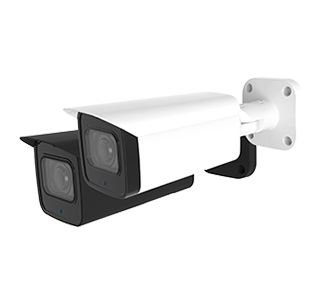
As video surveillance continues to move toward cloud-based solutions, Video Surveillance as a Service (VSaaS) is becoming an increasingly popular choice for businesses, commercial facilities, and security professionals. By combining cloud storage, remote monitoring, video analytics, and centralized management, VSaaS offers a more flexible approach to traditional video surveillance systems.
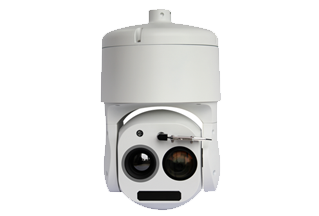
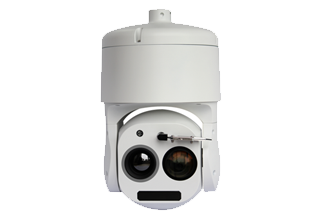
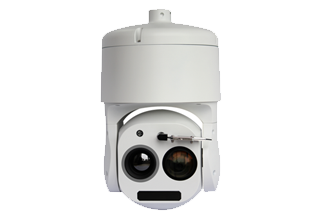
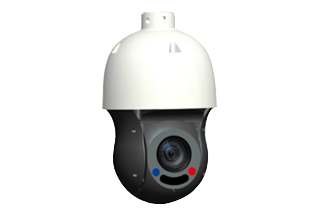
At the same time, PTZ (Pan-Tilt-Zoom) cameras remain an important part of modern security infrastructure. With their ability to pan horizontally, tilt vertically, and zoom in on specific areas, PTZ cameras provide a level of monitoring flexibility that fixed cameras cannot easily match.
What Connects Well Between VSaaS and PTZ Cameras?
Not every camera feature requires complex integration. Several core capabilities work particularly well when PTZ cameras are connected to a properly designed VSaaS platform.
1. Remote Camera Control
One of the biggest advantages of integrating PTZ cameras with VSaaS is remote control.
Through a compatible cloud platform, users can access camera controls without being physically present at the installation site. Depending on the platform and camera capabilities, operators can:
-
Pan the camera to inspect different directions.
-
Tilt the camera to monitor higher or lower areas.
-
Zoom in to examine specific details.
-
Adjust presets to quickly return to predefined viewing positions.
This is particularly useful for large facilities, parking lots, warehouses, campuses, and industrial environments.
However, remote PTZ control depends on more than internet connectivity. The VSaaS platform must support the camera's PTZ commands and communicate with the device through a compatible protocol or integration method.
2. Live Video Streaming
Live video streaming is another area where VSaaS and PTZ cameras work naturally together.
Most modern VSaaS platforms allow users to view live camera feeds through web browsers or mobile applications. When PTZ functionality is supported, users can monitor a live scene and adjust the camera's position within the same interface.
This creates a more interactive monitoring experience.
For example, a security operator monitoring a shopping center can use a PTZ camera to follow suspicious activity across a parking area while viewing the live stream remotely.
The main consideration is network performance. PTZ cameras often support high-resolution video, and streaming quality can be affected by available bandwidth, latency, and video encoding settings.
3. Preset Positions and Patrol Functions
PTZ cameras commonly support preset positions, allowing operators to save specific viewing angles and return to them when needed.
Some models also support automatic patrol or tour functions, moving between predefined positions according to a schedule.
When properly integrated with VSaaS, these functions can make surveillance more efficient.
For instance, a warehouse camera might automatically monitor the loading dock, storage area, and main entrance at different intervals.
However, not all cloud platforms expose every preset or patrol feature. Some support basic PTZ movement but lack advanced configuration options. Compatibility should therefore be checked before deployment.
4. Centralized Monitoring and Multi-Site Management
VSaaS is particularly valuable for organizations operating across multiple locations.
A business with several retail stores, warehouses, or office buildings can potentially manage all connected PTZ cameras through one centralized platform.
This may include:
-
Unified live video viewing.
-
Centralized user permissions.
-
Remote device management.
-
Cloud-based video access.
-
Event notifications and recording management.
Instead of managing separate surveillance systems at every location, administrators can use a centralized interface to oversee their security infrastructure.
For organizations with distributed facilities, this can significantly simplify daily operations.
What Doesn't Connect So Well?
Although VSaaS and PTZ cameras offer strong integration potential, there are still several technical challenges that businesses should understand.
1. Not All PTZ Features Are Supported by Every Platform
This is one of the most common integration issues.
A PTZ camera may support advanced functions such as 0-degree rotation, proportional pan and tilt, positioning, preset tours, and customized patrol schedules.
However, a VSaaS platform may only support basic directional controls and optical zoom.
The result is a situation where the camera works correctly, but some of its advertised features are unavailable through the cloud interface.
ONVIF compatibility can help improve interoperability, particularly through supported PTZ profiles and commands. However, ONVIF compliance does not automatically guarantee that every advanced feature will work across all platforms.
Before choosing a camera or VSaaS provider, verify the exact functions supported by both sides.
2. Network Latency Can Affect PTZ Responsiveness
PTZ cameras rely on remote commands to change their viewing direction and zoom level.
When connected through a cloud-based platform, these commands may travel through multiple network components before reaching the camera.
High latency can result in:
-
Delayed camera movement.
-
Slower response to operator commands.
-
Less precise tracking of moving objects.
-
A noticeable gap between user input and camera response.
This can be particularly problematic in environments that require real-time monitoring.
A stable internet connection, appropriate network configuration, and a well-optimized VSaaS architecture can help reduce these issues.
For applications requiring highly responsive local control, a hybrid architecture may be worth considering.
3. Cloud Bandwidth and Video Storage Requirements
PTZ cameras frequently support high-resolution video streams, including 4K recording on some models.
Sending continuous high-quality video to the cloud can create significant bandwidth and storage demands.
The challenge becomes greater when an organization operates multiple cameras across different locations.
Several factors influence resource consumption:
-
Video resolution.
-
Frame rate.
-
Video compression format.
-
Bitrate settings.
-
Number of simultaneously streaming cameras.
-
Recording duration and retention policies.
To manage these demands, businesses can consider adaptive bitrate streaming, event-based recording, edge recording, and hybrid cloud storage.
These approaches help balance video quality, network efficiency, and storage costs.
4. Advanced Auto-Tracking May Not Integrate Seamlessly
Many modern PTZ cameras offer intelligent auto-tracking capabilities. Using built-in analytics, they can automatically follow people, vehicles, or other moving objects.
However, camera-based AI and cloud-based AI are not necessarily designed to work together seamlessly.
For example, a camera may perform object tracking locally, while the VSaaS platform only receives the resulting video stream without access to the camera's tracking configuration.
In other cases, cloud analytics may generate alerts but lack the ability to trigger specific PTZ movements.
This creates an important distinction between video compatibility and full functional integration.
Businesses should confirm whether the VSaaS platform supports camera-side analytics, event triggers, and PTZ automation rather than assuming these capabilities are included.
5. Vendor Lock-In and Integration Limitations
Some VSaaS providers support only selected camera brands or specific device models.
This can limit flexibility when businesses want to upgrade their cameras, replace existing hardware, or expand their surveillance systems.
Proprietary APIs, licensing requirements, and restricted device compatibility may also increase long-term integration costs.
Choosing solutions with open standards, documented APIs, and broad device compatibility can help reduce these risks.
Where Does VSaaS and PTZ Integration Make the Most Sense?
The combination of VSaaS and PTZ cameras is particularly useful in environments that require flexible monitoring and centralized management.
Parking Lots and Outdoor Facilities
PTZ cameras can monitor large outdoor areas, follow moving vehicles, and zoom in on specific activity.
With VSaaS, security teams can access live footage remotely and manage cameras across multiple parking facilities from a centralized interface.
Warehouses and Industrial Facilities
Large warehouses often contain multiple monitoring zones, including loading docks, storage areas, and vehicle access points.
PTZ cameras provide flexible coverage, while VSaaS makes remote monitoring and centralized video management easier.
Retail Chains and Commercial Buildings
Businesses with multiple branches can use cloud-based surveillance to manage security operations across different locations.
PTZ cameras offer additional flexibility for monitoring entrances, parking areas, and large public spaces.
Campuses and Public Infrastructure
Universities, transportation facilities, and large campuses often need to monitor extensive outdoor environments.
The combination of remote PTZ control and centralized cloud management can improve operational flexibility, provided the network and integration architecture are properly designed.
Cloud-Only or Hybrid: Which Architecture Works Better?
For PTZ cameras, choosing between a fully cloud-based architecture and a hybrid solution can make a meaningful difference.
A cloud-only approach offers centralized management, remote accessibility, and simplified infrastructure management. However, it may introduce additional network latency and bandwidth requirements.
A hybrid approach combines cloud-based management with local processing or recording.
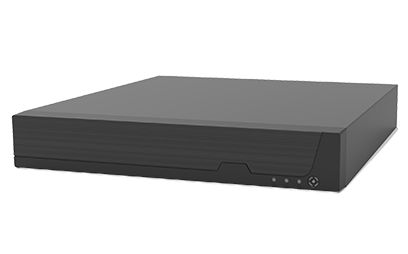
For example, a PTZ camera can send video to a local NVR or edge device while the VSaaS platform handles remote access, centralized management, and selected cloud analytics.
This can provide several advantages:
-
Reduced dependence on continuous cloud streaming.
-
Better support for local recording.
-
More flexible bandwidth management.
-
Potentially faster local PTZ control.
-
Greater resilience during temporary internet outages, depending on system design.
For large facilities or mission-critical applications, a hybrid architecture may provide a more practical balance between cloud flexibility and local performance.
VSaaS and PTZ cameras are a natural combination for modern video surveillance, but successful integration involves much more than connecting a camera to the internet.
Remote control, live streaming, preset management, and centralized monitoring can work extremely well when both systems are designed to communicate effectively.