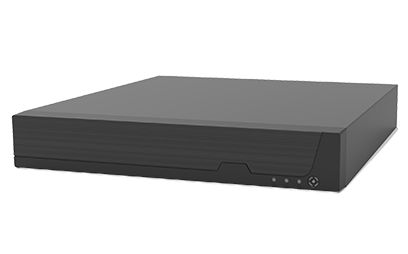
As the global security industry continues to expand, Network Video Recorder (NVR) systems are becoming increasingly important for businesses, residential properties, commercial facilities, and public infrastructure. However, introducing an NVR system into a new market involves more than simply translating the product interface or changing the packaging.
Different countries and regions have unique technical standards, customer expectations, network environments, privacy regulations, and purchasing habits. To succeed internationally, manufacturers must develop a localization strategy that adapts their NVR products to local requirements while maintaining reliable performance and a consistent user experience.
Understand Local Market Requirements
The first step in NVR localization is understanding the target market.
Different regions may have different expectations regarding surveillance functions, storage capacity, video resolution, remote access, and system compatibility.
For example, some markets prioritize affordable surveillance solutions for small businesses and residential applications, while others demand advanced features such as AI-powered video analytics, facial recognition, perimeter protection, and centralized video management.
Before entering a new market, manufacturers should research:
-
Common surveillance applications and customer requirements.
-
Popular IP camera brands and compatibility expectations.
-
Preferred NVR channel configurations.
-
Local demand for storage capacity and video resolution.
-
Competitor products and pricing strategies.
-
Distribution channels and after-sales service expectations.
Understanding these factors helps manufacturers identify the right product specifications and avoid investing in features that have limited demand.
Localize the User Interface and Language
A user-friendly interface is essential for the successful adoption of an NVR system.
Users should be able to configure devices, monitor live video, review recordings, and manage security settings without language barriers.
Effective interface localization should cover more than the main menu. It should include:
-
System menus and configuration pages.
-
Mobile applications and desktop client software.
-
Alarm notifications and system messages.
-
Installation guides and user manuals.
-
Error messages and troubleshooting instructions.
-
Technical support documentation.
Translation quality is particularly important for security equipment because unclear instructions may lead to configuration errors or missed system notifications.
Manufacturers should work with professional translators familiar with security technology to ensure that technical terminology remains accurate and consistent.
Ensure Compliance with Local Regulations and Standards
Regulatory compliance is one of the most important aspects of entering a new market.
NVR systems involve electronic equipment, network connectivity, video recording, data storage, and potentially personal information. Each area may be subject to different legal and technical requirements.
Manufacturers should evaluate applicable requirements in areas such as:
Electrical and product safety: Verify applicable safety certifications and electrical standards for the target country.
Electromagnetic compatibility (EMC): Ensure that the equipment meets relevant electromagnetic emission and immunity requirements.
Wireless and communication standards: If the NVR includes Wi-Fi or other radio functions, check the applicable radio equipment regulations.
Data privacy and video surveillance: Understand local rules regarding video recording, access permissions, data retention, and the handling of personal information.
Cybersecurity: Review applicable security requirements for device authentication, firmware updates, encryption, and network protection.
For example, products entering the European Union may need to consider applicable CE conformity requirements, while products entering the United States may need to evaluate relevant FCC requirements.
Privacy requirements also vary significantly. Manufacturers should avoid assuming that one compliance approach will automatically satisfy every market.
Adapt Network Compatibility and Connectivity
Network environments differ across countries and regions. An NVR system must work reliably with the network infrastructure commonly used by local customers.
Important considerations include:
-
Ethernet interface compatibility.
-
Network bandwidth requirements.
-
IP camera integration.
-
ONVIF compatibility where applicable.
-
Remote viewing performance.
-
Mobile application connectivity.
-
DNS and network configuration.
-
Support for different internet service environments.
Compatibility with widely used IP cameras is particularly important for customers who want to integrate an NVR into an existing surveillance system.
Supporting recognized interoperability standards can help improve product flexibility and reduce installation difficulties.
Manufacturers should also test remote access performance under different network conditions to ensure a smooth user experience.
Consider Local Power Supply and Hardware Requirements
Hardware configurations may also need to be adjusted for different markets.
Power supply specifications, plug types, operating environments, and installation practices can vary by region.
For example, manufacturers should verify whether the supplied power adapter supports the local electrical input requirements and whether the product needs region-specific accessories.
Environmental conditions should also be considered.
In markets with high temperatures, humidity, or dusty environments, thermal management and hardware protection become especially important.
Other hardware localization considerations include:
-
Local power adapter specifications.
-
Hard drive availability and compatibility.
-
Storage capacity preferences.
-
Cooling system performance.
-
Rack mounting and installation accessories.
-
Product labeling and packaging requirements.
These adjustments can help ensure that the NVR system operates reliably in its intended environment.
Adapt Software Features to Local Customer Needs
Software functionality can be a major competitive advantage in the NVR market.
Different customers may prioritize different surveillance features depending on their industry and application.
For commercial customers, centralized management and multi-camera monitoring may be essential. Residential users may place greater importance on simple mobile access, motion detection alerts, and easy playback.
Depending on market demand, manufacturers may consider localizing:
-
Motion detection and smart event notifications.
-
AI-based video analytics.
-
Human and vehicle detection.
-
Remote monitoring applications.
-
Multi-user access management.
-
Video playback and search functions.
-
Cloud connectivity and storage integration.
-
Time zones, date formats, and regional settings.
Time zone configuration and date formatting may appear to be minor details, but they are important for accurate recording searches and incident investigations.
A well-localized software experience should make the system feel natural and intuitive to local users.
Develop Localized Documentation and Technical Support
Even a technically advanced NVR system may struggle in a new market if customers cannot install, configure, or troubleshoot it easily.
Providing localized technical resources can significantly improve customer satisfaction.
Manufacturers should prepare:
-
Local-language user manuals.
-
Quick installation guides.
-
Product datasheets.
-
Wiring and connection diagrams.
-
Frequently asked questions.
-
Troubleshooting videos.
-
Firmware update instructions.
-
Warranty and service policies.
Local technical support is equally important.
Working with regional distributors, installation partners, and service centers can help manufacturers respond more efficiently to customer questions and product issues.
A strong after-sales support system also helps build long-term trust in the brand.
Localizing an NVR system for a new market is a comprehensive process that combines technical adaptation, regulatory compliance, software customization, and localized customer support.
From language translation and network compatibility to cybersecurity and regional marketing, every detail can influence product acceptance and long-term business success.
For NVR manufacturers, the goal should not simply be to sell an existing product in another country. It should be to deliver a surveillance solution that meets local technical requirements, addresses real customer needs, and provides a familiar user experience.
Successful localization transforms an NVR product from an imported device into a solution that customers can trust, understand, and confidently use in their local market.