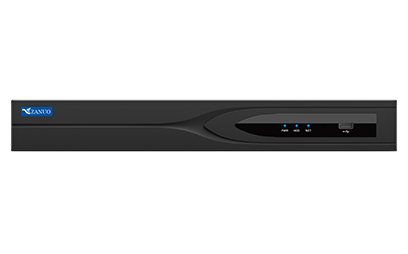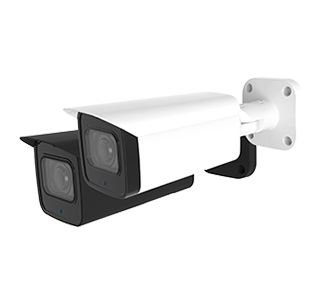
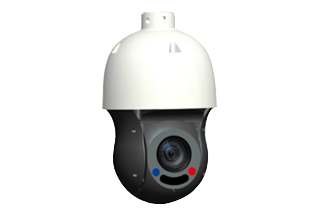
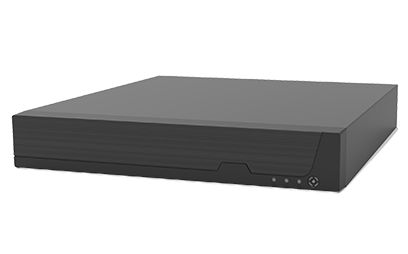
Video surveillance technology is evolving rapidly. Traditional Network Video Recorder (NVR) systems remain a reliable solution for businesses and homeowners, offering local video storage, centralized camera management, and continuous recording. However, as security requirements become more complex, cloud technology is creating new opportunities to enhance NVR systems with remote access, off-site backups, and flexible storage options.
For security solution providers, the challenge is no longer simply offering an NVR system or cloud storage separately. It is about packaging these technologies into the right service tiers that meet different customer needs, budgets, and security expectations.
Understanding the Role of NVR and Cloud Storage
Before developing service tiers, it is important to understand how local NVR storage and cloud services complement each other.
Local NVR Storage: Reliable and Cost-Effective
An NVR system stores video footage locally, typically on internal hard drives or dedicated storage devices. It provides several advantages:
-
Continuous Recording: Supports 24/7 video recording without depending on internet connectivity.
-
Local Data Control: Footage remains on-site, giving users greater control over their recordings.
-
Predictable Costs: After the initial hardware investment, ongoing storage costs are generally limited to maintenance and hardware replacement.
-
Fast Local Access: Users can access recorded footage through the local network without relying on cloud services.
Cloud Storage: Flexible and Accessible
Cloud services extend the capabilities of traditional NVR systems by providing remote storage and management features.
Key benefits include:
-
Off-Site Backup: Important footage can be stored remotely to reduce the risk of losing all recordings due to equipment damage or theft.
-
Remote Access: Authorized users can view footage and manage surveillance systems from different locations.
-
Scalable Storage: Storage capacity and retention periods can be adjusted according to changing requirements.
-
Centralized Management: Multiple surveillance locations can be monitored through a unified platform.
Combining local NVR storage with cloud services creates a more flexible surveillance solution without requiring every customer to move all video data to the cloud.
Build Service Tiers Around Customer Needs
A successful service model should not offer the same features to every customer. Instead, providers should create clearly differentiated packages that address different usage scenarios.
Tier 1: Basic – Local NVR Protection
The Basic package is designed for customers who need dependable video surveillance without recurring cloud service fees.
Recommended features:
-
Local NVR recording and playback
-
Standard camera management
-
Basic mobile or desktop access
-
Configurable local recording schedules
-
Standard technical support
Ideal customers: Small businesses, residential users, retail stores, and customers with straightforward surveillance requirements.
This package provides an affordable entry point for customers who prioritize local storage and basic security functionality.
Tier 2: Standard – NVR with Cloud Backup
The Standard package combines local recording with cloud-based backup capabilities.
Recommended features:
-
All Basic package features
-
Automatic backup of selected video footage
-
Cloud event storage
-
Remote video access
-
Flexible cloud retention options
-
Firmware and software updates
Ideal customers: Small and medium-sized businesses, offices, restaurants, and retail chains that want additional protection for important video recordings.
The key selling point is redundancy. Even if the local NVR is damaged, stolen, or compromised, selected cloud-stored footage may remain accessible.
Tier 3: Premium – Advanced Cloud Surveillance
The Premium package is designed for organizations that require advanced surveillance management across multiple locations.
Recommended features:
-
All Standard package features
-
Extended cloud video retention
-
Multi-site centralized management
-
Advanced user permissions
-
AI-powered video analytics, where supported
-
Intelligent event notifications
-
Priority technical support
-
Advanced reporting and monitoring tools
Ideal customers: Large enterprises, logistics centers, industrial facilities, educational institutions, and organizations managing multiple surveillance locations.
This tier focuses on operational efficiency, scalability, and advanced security management rather than simply providing more storage.
Key Factors When Pricing NVR and Cloud Service Tiers
Pricing should reflect actual service costs while remaining easy for customers to understand.
Several factors should be considered when building a pricing structure.
Storage Capacity and Retention Period
Cloud storage requirements depend on camera count, resolution, frame rate, bitrate, recording schedules, and retention periods.
For example, a system with 20 cameras recording continuously will generally require considerably more storage than one that uploads motion-triggered clips only.
Providers should define clear storage limits and retention periods for each tier.
Network Bandwidth
Cloud recording depends on reliable internet connectivity. High-resolution video and multiple simultaneous camera streams can consume significant upload bandwidth.
Before recommending a cloud package, assess the customer's network infrastructure and expected upload requirements.
Number of Cameras and Devices
A tiered pricing model can be based on the number of connected cameras, NVR devices, or surveillance sites.
This allows customers to start with a smaller package and upgrade as their systems expand.
Support and Maintenance
Different customer segments require different levels of technical assistance.
Basic users may only need standard support, while enterprise customers may require priority response, remote troubleshooting, and dedicated account management.
Transparent service definitions help customers understand what they are paying for.
Security and Data Privacy Should Be Part of Every Tier
Cloud integration introduces additional security responsibilities. Providers should make cybersecurity and data protection essential parts of their service offerings rather than optional premium features.
Important considerations include:
-
Encryption of video data during transmission and storage
-
Strong authentication and access controls
-
Role-based user permissions
-
Secure device-to-cloud communication
-
Regular firmware and security updates
-
Backup and recovery procedures
-
Clear data retention and deletion policies
Businesses should also consider applicable privacy regulations and regional data protection requirements when selecting cloud storage locations and configuring video retention policies.
Security should be consistent across all service tiers, even when advanced management features are reserved for premium customers.
Make Upgrading Simple and Flexible
An effective tiered service strategy should encourage customers to expand their services as their surveillance needs evolve.
For example, a small retail business may initially purchase a Basic NVR package. As it opens additional locations, it may need centralized monitoring and remote video access. Later, the business may require longer cloud retention periods and advanced event analytics.
A flexible upgrade path allows customers to add services without replacing their existing NVR infrastructure.
Providers can also offer optional add-ons, such as:
-
Additional cloud storage
-
Extended video retention
-
Extra camera licenses
-
Advanced AI analytics
-
Multi-site management
-
Enhanced technical support
This modular approach makes service packages easier to customize while creating opportunities for recurring revenue.
The future of video surveillance is not necessarily about replacing traditional NVR systems with cloud-only solutions. Instead, it is about combining the reliability of local recording with the flexibility and scalability of cloud technology.
By offering Basic, Standard, and Premium service tiers, security providers can serve different customer segments while creating a clear path for future upgrades.
The right NVR and cloud package should balance storage requirements, network performance, data security, operational convenience, and long-term costs.