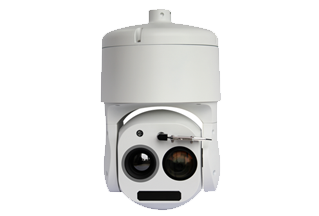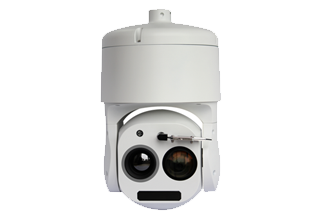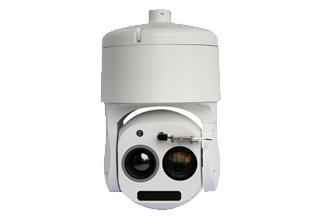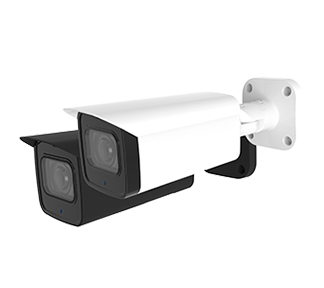
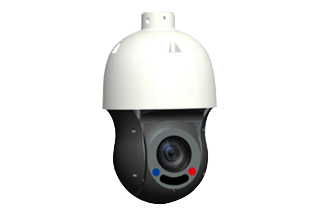
As cities continue to expand and urban environments become more complex, ensuring public safety and efficient city management has become a top priority for governments and municipalities. PTZ (Pan-Tilt-Zoom) cameras have emerged as a critical component in modern city surveillance systems and smart city projects, offering flexibility, wide-area coverage, and intelligent monitoring capabilities.
Why PTZ Cameras Matter in Urban Surveillance
Unlike fixed cameras, PTZ cameras can rotate horizontally and vertically while zooming in on areas of interest. This makes them ideal for monitoring large, dynamic urban spaces such as intersections, public squares, transportation hubs, and city centers.
Key advantages include:
- Wide-area coverage with fewer cameras
- Real-time tracking of moving objects
- Rapid response to incidents
- Remote control and centralized management
These features allow city authorities to optimize surveillance resources while improving situational awareness.
Key Applications of PTZ Cameras in Smart Cities
1. Traffic Monitoring and Management
PTZ cameras play a vital role in intelligent transportation systems. They enable:
- Real-time traffic flow monitoring
- Incident and accident detection
- Enforcement of traffic regulations
- Adaptive signal control based on congestion
With high zoom capabilities, a single PTZ camera can monitor multiple lanes and intersections, reducing infrastructure costs.
2. Public Safety and Crime Prevention
In city surveillance networks, PTZ cameras enhance security by:
- Tracking suspicious behavior in real time
- Supporting rapid law enforcement response
- Monitoring large public events and gatherings
- Acting as a visible deterrent to crime
When integrated with AI analytics, PTZ cameras can automatically follow targets, detect anomalies, and alert operators instantly.
3. Smart City Command and Control Centers
Modern smart cities rely on centralized command centers that integrate data from multiple sources. PTZ cameras contribute by:
- Providing high-resolution live video feeds
- Supporting remote control and preset patrol routes
- Integrating with video management systems (VMS)
- Enabling multi-agency coordination
This centralized approach improves decision-making during emergencies and daily city operations.
4. Critical Infrastructure Protection
PTZ cameras are widely deployed to protect:
- Government buildings
- Power stations and substations
- Water treatment facilities
- Bridges, tunnels, and public transport assets
Their long-range zoom and auto-tracking capabilities make them ideal for detecting unauthorized access and monitoring sensitive areas.
AI-Enabled PTZ Cameras in Smart Cities
The integration of artificial intelligence has transformed PTZ cameras from passive monitoring tools into proactive security assets. AI-powered PTZ cameras can:
- Automatically track people and vehicles
- Perform facial recognition and license plate recognition
- Analyze crowd density and movement patterns
- Detect unusual or suspicious behavior
These capabilities support predictive policing, crowd management, and data-driven urban planning.
Technical Considerations for City Deployment
When selecting PTZ cameras for city surveillance projects, planners should consider:
- Optical zoom range and image stabilization
- Low-light and night-vision performance
- Weather resistance for outdoor environments
- Cybersecurity and data protection compliance
- Network bandwidth and storage requirements
Scalable design is essential to ensure compatibility with future smart city expansions.
PTZ cameras are no longer just surveillance tools—they are intelligent assets enabling safer, smarter, and more connected cities. From traffic management and public safety to infrastructure protection and smart city command centers, PTZ cameras provide the adaptability and intelligence required for today’s urban challenges.