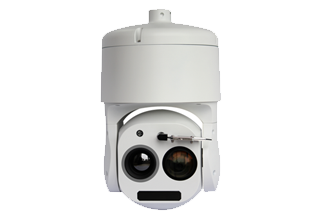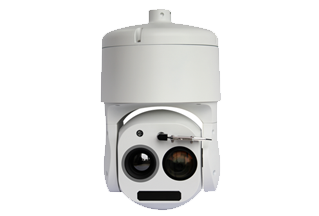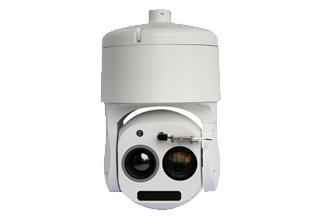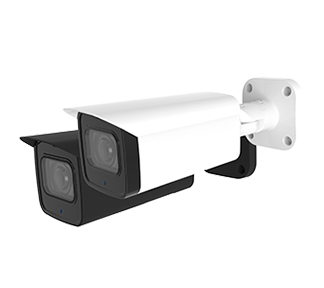
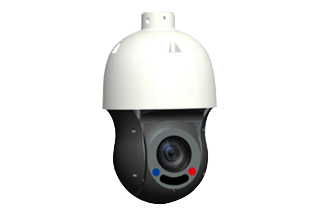
Airports, seaports, and transportation hubs are among the most complex and high-risk public environments in the world. With thousands of passengers, vehicles, and assets moving simultaneously, maintaining situational awareness and security is a constant challenge. PTZ (Pan-Tilt-Zoom) cameras play a critical role in modern surveillance systems, offering the flexibility, coverage, and intelligence required to protect these large-scale transportation facilities.
Security Challenges in Transportation Hubs
Transportation hubs face unique security demands, including:
- Large and open areas that are difficult to monitor with fixed cameras
- High passenger and vehicle traffic, increasing the risk of incidents
- Critical infrastructure protection, such as runways, terminals, docks, and control zones
- Rapidly changing situations that require real-time response
Traditional fixed cameras alone often cannot provide the dynamic coverage needed in these environments.
Why PTZ Cameras Are Ideal for Large Transportation Facilities
PTZ cameras allow operators to pan, tilt, and zoom across wide areas while maintaining high image clarity. Their ability to focus on specific targets makes them especially effective in airports, ports, and transit hubs.
1. Wide-Area Coverage with Precision Control
A single PTZ camera can monitor large spaces such as airport aprons, port container yards, or railway platforms, reducing the number of cameras required while maintaining visibility.
2. Rapid Incident Response
Security operators can quickly zoom in on suspicious behavior, unattended baggage, or restricted-area breaches, enabling faster decision-making and response.
3. High-Quality Identification
With powerful optical zoom and high-resolution imaging, PTZ cameras provide clear facial, vehicle, and container identification even from long distances.
Key Applications Across Transportation Environments
Airports
PTZ cameras are widely used for:
- Terminal and concourse surveillance
- Runway and apron monitoring
- Perimeter and fence-line security
- Baggage handling areas
They help detect intrusions, monitor crowd flow, and support airport security teams during peak travel periods.
Ports and Harbors
In ports, PTZ cameras support:
- Container yard surveillance
- Vessel docking and cargo operations
- Perimeter and waterfront monitoring
- Access control for restricted zones
Their long-range zoom and robust outdoor design make them ideal for harsh marine environments.
Railway Stations and Transit Hubs
For rail and metro systems, PTZ cameras enhance:
- Platform and track monitoring
- Passenger crowd management
- Incident detection and investigation
- Integration with traffic and signaling systems
Advanced Features Enhancing Security
Modern PTZ cameras go beyond manual control with intelligent features such as:
- Auto-tracking to follow moving objects
- AI video analytics for intrusion, loitering, and crowd detection
- Low-light and night vision for 24/7 surveillance
- Weatherproof and vibration-resistant designs for outdoor deployment
These capabilities significantly improve operational efficiency and reduce operator workload.
Integration with Centralized Security Systems
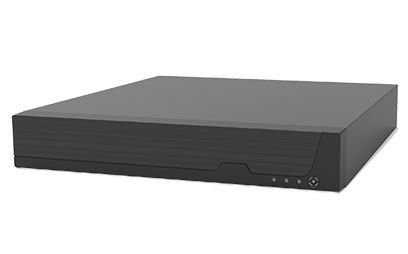
PTZ cameras can be seamlessly integrated with NVRs, VMS platforms, access control, and alarm systems, providing a unified security view. In large transportation hubs, this integration enables coordinated responses and real-time situational awareness across multiple zones.
Compliance and Operational Reliability
Transportation facilities must comply with strict safety, privacy, and operational regulations. PTZ cameras designed for critical infrastructure typically meet international standards for reliability, cybersecurity, and environmental durability, ensuring consistent performance in demanding conditions.
PTZ cameras are a core component of modern security strategies for airports, ports, and transportation hubs. Their ability to deliver wide coverage, detailed visibility, and intelligent monitoring makes them indispensable for protecting people, assets, and infrastructure. As transportation networks continue to expand and modernize, PTZ camera technology will remain essential in building safer, smarter, and more resilient transit environments.