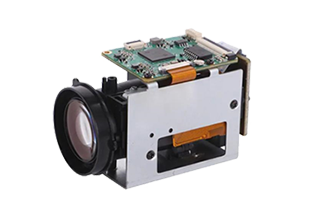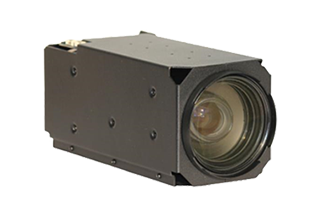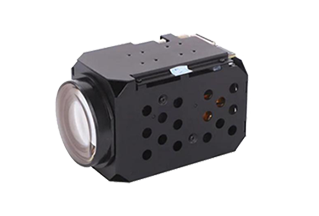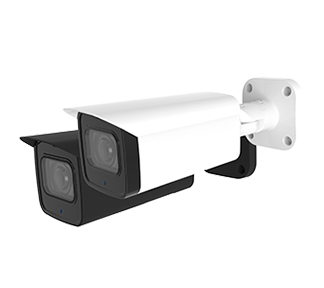
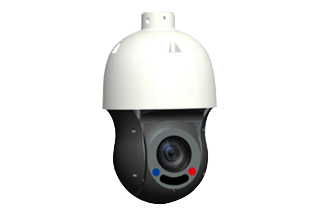
Healthcare has entered a new era of remote connectivity, and at the heart of this transformation are PTZ (Pan-Tilt-Zoom) cameras. Once primarily used for security and broadcasting, these advanced imaging tools are now playing a pivotal role in enhancing medical telepresence—bringing doctors, specialists, and caregivers virtually into patient environments with unprecedented clarity and control.
What Makes PTZ Cameras Ideal for Healthcare?
PTZ cameras stand out for their unique ability to pan, tilt, and zoom with precision. In medical telepresence, this means:
- Doctors can remotely inspect a patient or room from multiple angles.
- Nurses can monitor patients without constant physical presence.
- Specialists can participate in collaborative care from across the globe.
This level of flexibility and detail is crucial in environments where accurate visual information can influence diagnosis and treatment outcomes.
1. Enhancing Remote Patient Monitoring
Modern healthcare facilities use PTZ cameras to monitor patient conditions in real time. With optical and digital zoom options, medical staff can observe vital signs, body movements, and behavioral changes—even in low-light environments.
Key benefits include:
- Continuous monitoring for high-risk or ICU patients
- Reduced in-room traffic, protecting immunocompromised individuals
- Faster response times when sudden changes occur
2. Increasing Access to Specialists
Telemedicine is no longer limited to basic video calls. PTZ cameras allow specialists to conduct high-resolution remote examinations, assisting local doctors or nurses in capturing clear visuals of injuries, wounds, or conditions.
This technology improves:
- Rural and remote patient access
- Specialist availability during emergencies
- Multi-disciplinary case collaboration
3. Supporting Remote Surgeries and Procedures
While surgeons may not operate hands-off, PTZ cameras are crucial for:
- Teaching hospitals
- Remote consultations during complex procedures
- Live surgery broadcasts for training
Their smooth, controlled movements and ability to zoom in on intricate details provide unmatched visual support in operating rooms.
4. Improving Elderly and Home Care Services
As home healthcare grows, PTZ cameras help caregivers monitor elderly patients with dignity and safety. Automated tracking and two-way communication add layers of care without intruding on daily life.
Advantages include:
- Fall detection assistance
- Medication compliance monitoring
- Peace of mind for families
5. Strengthening Infection Control Measures
During outbreaks such as COVID-19, limiting physical contact becomes essential. PTZ cameras allow medical staff to interact with patients while reducing exposure risks, helping preserve PPE and maintain safe distances.
The Future of Telepresence in Healthcare
As AI and smart analytics merge with PTZ camera systems, the future will see:
- Automatic patient tracking
- Behavior or symptom detection alerts
- Integration with electronic health records (EHRs)
- Smarter, more autonomous telemedicine platforms
PTZ cameras will continue to evolve from passive monitoring tools to active healthcare partners—strengthening efficiency, expanding access, and enhancing the quality of patient care.