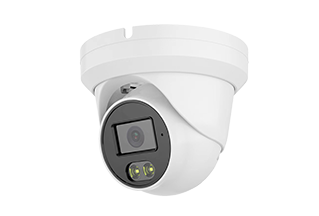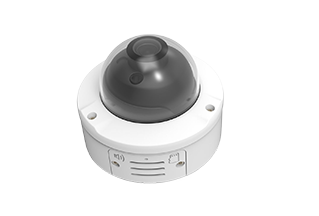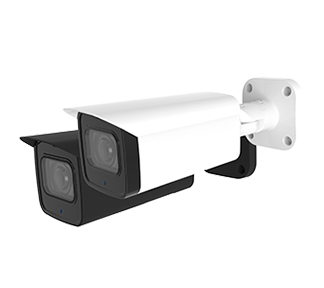
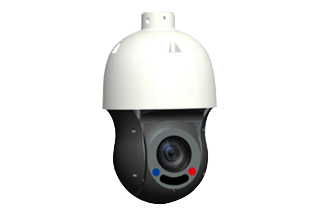
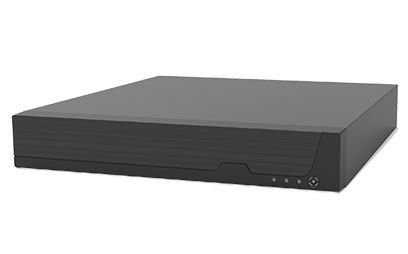
Hospitals and healthcare facilities operate in fast-paced, high-stakes environments where patient safety, staff protection, and secure operations are top priorities. As these facilities grow more complex, traditional security methods alone are no longer sufficient. IP camera systems have emerged as a powerful solution, offering real-time monitoring, intelligent analytics, and seamless integration with modern healthcare technologies.
Why IP Cameras Are Essential for Healthcare Security
1. Protecting Patients and Staff
Healthcare environments are vulnerable to privacy breaches, unauthorized access, and even violence.IP cameras provide continuous coverage of critical areas such as emergency rooms, entrances, hallways, and parking lots, helping security teams respond quickly to incidents.
2. Real-Time Monitoring Across Large Facilities
Modern hospitals often span multiple buildings and floors.Network-based IP cameras allow centralized monitoring from a control room or even remote locations, ensuring comprehensive oversight without extensive physical patrols.
3. Supporting Patient Care and Safety
Certain IP camera systems can assist clinicians by monitoring high-risk patients, detecting falls, or overseeing isolation rooms—all while complying with privacy regulations.
Advanced Features Driving Smarter Security
High-Resolution Imaging
From 4K clarity to low-light imaging, IP cameras capture important details that analog systems often miss, enabling accurate incident reviews.
AI-Powered Analytics
- Motion and intrusion detection
- Facial recognition for authorized personnel
- Crowd and queue monitoring
-
Behavior analysis for early risk detection
These tools reduce false alarms and improve response time.
Seamless Integration with Hospital Systems
IP cameras can integrate with:
- Access control systems
- Fire and emergency alarm systems
- Nurse call systems
-
Video management software
This creates a unified security network that enhances situational awareness.
Secure Data and Compliance
Healthcare facilities must adhere to strict regulations, including HIPAA and local data protection laws.IP camera systems now include encrypted data transmission, restricted access control, and secure cloud storage options to ensure compliance.
Key Application Areas in Healthcare
- Main entrances and lobbies
- Emergency departments
- Pharmacies and medication storage rooms
- Maternity and pediatric wards
- Parking areas
- Critical care units
- Server rooms and restricted technical zones
Benefits for Facility Management
- Reduced operational costs through remote surveillance
- Faster incident investigation with recorded footage
- Enhanced staff productivity and accountability
- Strengthened overall emergency preparedness
IP camera systems are no longer optional—they are a core component of modern healthcare infrastructure. With high-resolution imaging, intelligent analytics, and powerful integration capabilities, these systems help hospitals create safer, more efficient, and more secure environments for patients, visitors, and staff.