Modern transportation systems require reliable monitoring technologies to improve road safety, manage traffic flow, and respond quickly to incidents. As transportation infrastructure becomes increasingly connected, IP cameras have become an important component of intelligent traffic monitoring systems.
Unlike traditional analog surveillance cameras, IP cameras transmit digital video through network infrastructure, making it easier to integrate video surveillance with traffic management platforms, control centers, and other intelligent transportation technologies.
How IP Cameras Support Traffic Monitoring
1. Real-Time Traffic Observation
One of the primary functions of IP cameras is real-time traffic monitoring. Cameras installed along roads and at intersections can continuously capture traffic conditions and transmit video to centralized control centers.
Operators can use live video to observe:
-
Traffic congestion
-
Vehicle queues
-
Accidents
-
Road obstructions
-
Abnormal driving behavior
-
Road construction
-
Emergency situations
Real-time visibility allows transportation personnel to respond more quickly when unexpected events occur.
2. Traffic Flow Analysis
IP camera systems can provide valuable visual data for analyzing traffic patterns. When integrated with intelligent video analytics, cameras can help identify vehicle movements, traffic density, lane occupancy, and congestion trends.
This information can support transportation planning and help operators optimize traffic management strategies.
For example, traffic authorities can use camera data to identify frequently congested intersections and evaluate whether changes to signal timing or lane management could improve traffic flow.
3. Accident and Incident Detection
Fast incident detection is essential for transportation safety. IP cameras can continuously monitor roads and automatically trigger alerts when abnormal events are detected.
Depending on the system, video analytics can assist in identifying:
-
Vehicle collisions
-
Stopped vehicles
-
Wrong-way driving
-
Pedestrians in restricted areas
-
Fallen objects
-
Unusual traffic conditions
When an incident occurs, operators can quickly verify the situation through live video and coordinate an appropriate response.
IP Cameras for Highway and Road Surveillance
Highways require continuous monitoring across large geographic areas. IP cameras can be installed at strategic locations such as:
-
Highway entrances and exits
-
Toll areas
-
Bridges
-
Tunnels
-
Intersections
-
Rest areas
-
Roadside facilities
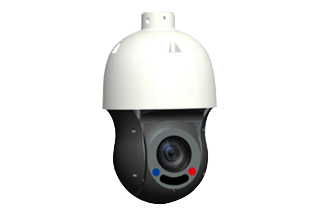
Long-range cameras and PTZ IP cameras can provide broad coverage while allowing operators to remotely adjust the viewing direction and zoom into specific areas.
Network connectivity also makes it possible to manage cameras from centralized traffic management centers.
IP Cameras for Intersection Monitoring
Intersections are among the most important locations for traffic surveillance because vehicle and pedestrian movements frequently intersect.
IP cameras can help monitor:
-
Vehicle flow
-
Pedestrian movement
-
Traffic signal areas
-
Turning lanes
-
Crosswalks
-
Illegal parking
-
Traffic violations
When integrated with traffic control systems, camera data can provide additional information for improving intersection management and road safety.
Nighttime and Low-Light Traffic Monitoring
Transportation systems operate around the clock, making nighttime surveillance an important requirement.
IP cameras equipped with infrared illumination, low-light sensors, or advanced image-processing technologies can maintain usable video in challenging lighting conditions.
Features such as WDR can also help cameras capture clearer images when strong contrasts exist between headlights, streetlights, shadows, and dark road surfaces.
This makes IP cameras suitable for continuous monitoring during both daytime and nighttime operations.
IP Cameras and Intelligent Transportation Systems
IP cameras can serve as visual sensors within an Intelligent Transportation System (ITS). When connected with other transportation technologies, camera data can contribute to a more comprehensive understanding of road conditions.
An integrated transportation monitoring platform may combine:
-
IP cameras
-
Traffic sensors
-
Vehicle detection systems
-
Variable message signs
-
Traffic signal controllers
-
NVR systems
-
Centralized management software
-
AI video analytics
This integration can help transportation authorities move from passive video surveillance toward more proactive traffic management.
AI Video Analytics for Transportation Monitoring
Traditional surveillance requires operators to watch multiple video feeds manually. AI-enabled IP cameras can reduce this workload by automatically analyzing video streams.
AI analytics can potentially support functions such as:
-
Vehicle counting
-
Traffic density detection
-
License plate recognition
-
Intrusion detection
-
Wrong-way vehicle detection
-
Abandoned object detection
-
Pedestrian detection
-
Queue monitoring
By automatically identifying predefined events, intelligent IP camera systems can help operators focus on incidents that require immediate attention.
Remote Management and Centralized Surveillance
Another major advantage of network cameras is remote accessibility. Transportation authorities can manage cameras located across different roads or facilities through a centralized platform.
Remote management can simplify:
-
Live video viewing
-
Camera configuration
-
Fault monitoring
-
Recording management
-
Firmware maintenance
-
User access control
This is particularly valuable for large transportation networks where hundreds or thousands of cameras may be distributed across different locations.
IP Cameras and NVR Systems
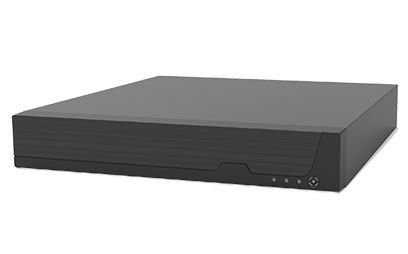
IP cameras are often connected to Network Video Recorders (NVRs) for centralized video storage and management.
An NVR system can record footage from multiple cameras and allow authorized personnel to search historical video when investigating an accident or security incident.
For transportation applications, recorded video can support:
-
Incident investigation
-
Traffic event analysis
-
Security reviews
-
Operational assessment
-
Evidence collection
-
System performance evaluation
Adequate storage capacity and network bandwidth are therefore important considerations when designing large-scale transportation surveillance systems.
IP cameras play an increasingly important role in transportation and traffic monitoring by providing real-time visual information, supporting traffic flow analysis, detecting incidents, and enabling centralized remote surveillance.
When combined with NVR systems, AI video analytics, traffic sensors, and intelligent transportation platforms, IP cameras can become a powerful part of modern transportation infrastructure. For highways, intersections, tunnels, parking facilities, and public transportation environments, selecting IP cameras with appropriate resolution, low-light performance, weather protection, connectivity, and intelligent analytics can help build a more reliable and efficient monitoring system.