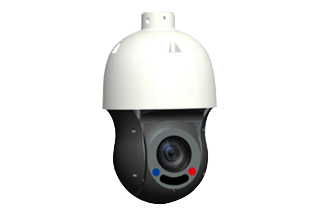
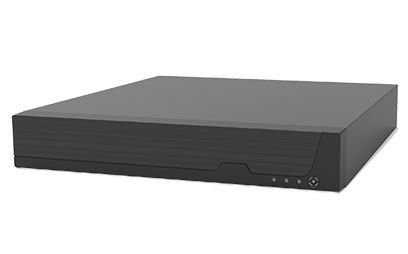
Factories and manufacturing plants often operate around the clock, with large production areas, warehouses, equipment zones, loading docks, and restricted areas requiring continuous security monitoring. Traditional surveillance solutions may struggle to manage large numbers of network cameras and high volumes of video data.
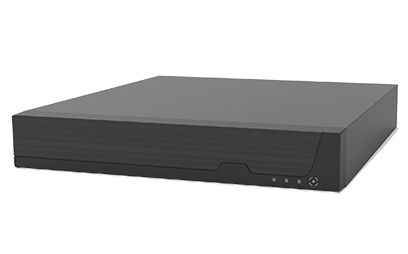
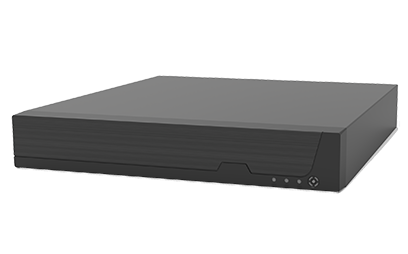
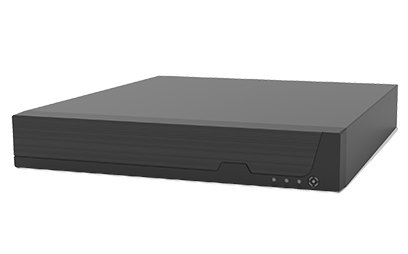
NVR Systems provide a centralized solution for recording, managing, and reviewing footage from IP cameras across manufacturing facilities. With scalable storage, remote monitoring, intelligent video functions, and centralized management, NVR systems can help manufacturers improve security and operational visibility.
Key Applications of NVR Systems in Factories
Production Line Monitoring
NVR systems can record production areas and provide visual information for security and operational review.
Warehouse Surveillance
Cameras connected to an NVR can monitor inventory areas, storage aisles, entrances, and shipment zones.
Entrance and Exit Monitoring
Monitor employee entrances, visitor access points, vehicle gates, and delivery areas.
Loading Dock Security
Loading docks can experience frequent vehicle and personnel movement. Video recording helps maintain visibility during loading and unloading operations.
Perimeter Security
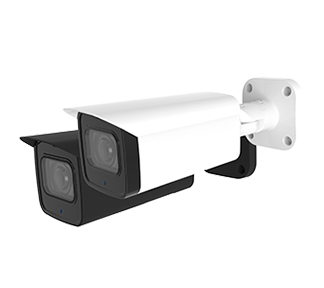
Outdoor IP cameras connected to an NVR can help monitor fences, gates, parking areas, and facility boundaries.
Restricted Area Monitoring
Sensitive production rooms, control rooms, equipment areas, and material storage zones can receive dedicated surveillance coverage.
Benefits of NVR Systems for Manufacturing Plants
Centralized Video Management
An NVR allows security personnel to manage video from multiple IP cameras through a centralized platform.
High-Capacity Video Storage
Manufacturing plants may generate large amounts of surveillance footage. NVR systems can support storage configurations designed for continuous recording.
Remote Monitoring
Authorized users can monitor connected cameras remotely, making it easier to manage facilities with large or distributed surveillance areas.
Faster Video Search and Playback
Recorded footage can help security teams investigate incidents, review specific time periods, and identify relevant events more efficiently.
Scalable Surveillance
As a factory expands, additional IP cameras can potentially be integrated into the network video surveillance infrastructure.
AI Features in Modern NVR Systems
Modern NVR solutions may integrate intelligent video analytics to improve monitoring efficiency.
Potential functions include:
-
Motion detection
-
Intrusion detection
-
Line-crossing detection
-
People detection
-
Vehicle detection
-
Area monitoring
-
Event-based recording
-
Real-time alerts
Explain how AI-assisted analysis can reduce the need for security personnel to continuously watch every camera feed.
NVR System Storage for 27 Factory Surveillance
Discuss how storage requirements depend on:
-
Number of cameras
-
Camera resolution
-
Frame rate
-
Video compression
-
Recording mode
-
Retention period
-
Motion-triggered versus continuous recording
Explain why manufacturers should calculate storage requirements before deploying a large-scale NVR system.
Integrating NVR Systems with Factory Security Infrastructure
Explain how NVR systems can work alongside other security technologies, including:
-
Access control systems
-
Alarm systems
-
Perimeter detection
-
Intercom systems
-
Security management platforms
-
Smart sensors
-
Industrial network infrastructure
Integration can provide security teams with a more centralized view of events across the manufacturing facility.
NVR Systems provide a flexible foundation for modern factory and manufacturing plant surveillance. By combining IP cameras, centralized recording, scalable storage, remote monitoring, and intelligent analytics, NVR solutions can help manufacturers strengthen facility security and improve visibility across complex industrial environments.
For factories planning a new surveillance system, key considerations should include camera coverage, recording capacity, network infrastructure, storage requirements, scalability, system security, and future expansion.