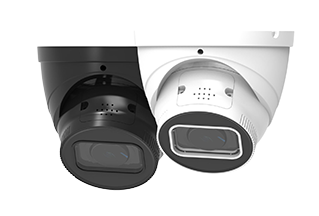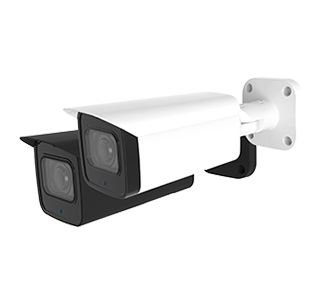
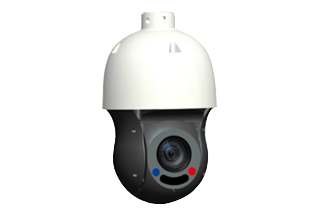
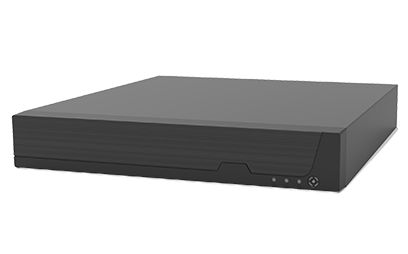
The IP camera industry is entering a new stage of competition. Over the past decade, advances in image sensors, video compression, connectivity, and manufacturing have made network cameras more powerful and affordable than ever. Today, high-resolution IP cameras with advanced imaging capabilities are widely available from manufacturers around the world.
However, this progress has created a new challenge: hardware differentiation is becoming increasingly difficult.
As camera components become standardized and production costs continue to decline, traditional hardware-focused business models are facing growing margin pressure. Simply offering higher resolution, better specifications, or lower prices is no longer enough to guarantee long-term competitiveness.
So, where will the next wave of profitability come from?
The answer increasingly lies in software, artificial intelligence (AI), cloud services, cybersecurity, and integrated security solutions.
The future of the IP camera business may be defined by a simple principle: commodity hardware attracts customers, but premium software creates lasting value.
IP Camera Hardware Is Becoming a Commodity
The rapid development of the video surveillance industry has significantly lowered the barriers to manufacturing IP cameras.
Several factors are driving hardware commoditization.
Standardized Components
Image sensors, processors, lenses, memory, and network modules are becoming increasingly accessible. Manufacturers can source similar components and develop cameras with comparable technical specifications.
As a result, differences between products are becoming less obvious to buyers, particularly in the entry-level and mid-range segments.
More Competitive Global Supply Chains
The growth of global electronics manufacturing has increased production capacity and intensified price competition.
New manufacturers can enter the market with relatively competitive products, putting pressure on established brands to reduce prices or offer additional features without significantly increasing costs.
Resolution Is No Longer a Strong Differentiator
In the past, moving from 2MP to 4MP, 8MP, or higher resolutions provided a clear competitive advantage.
Today, high-resolution cameras are widely available. Buyers increasingly evaluate products based on more than pixel count.
They want reliable detection, accurate alerts, easy integration, remote management, and lower operating costs.
This means hardware specifications alone are becoming less effective as a source of premium pricing.
The Real Margin Opportunity Is Moving Toward Software
While hardware margins face increasing pressure, software offers a different business model.
Unlike physical cameras, software can generate recurring revenue, improve customer retention, and create differentiated user experiences.
Several software categories are particularly important.
AI Video Analytics
Traditional surveillance systems mainly record video for later review. AI-powered systems can analyze video streams in real time and generate actionable information.
Examples include:
-
Human and vehicle detection.
-
Intrusion detection and perimeter protection.
-
License plate recognition.
-
People counting and occupancy analysis.
-
Queue management.
-
Unusual behavior detection.
-
Object classification and tracking.
These capabilities transform cameras from passive recording devices into intelligent security and operational tools.
Businesses may be willing to pay more for software that reduces false alarms, improves security response, and supports operational decision-making.
The key is not simply offering AI features, but delivering reliable analytics that solve specific customer problems.
Cloud Video Surveillance and VSaaS
Video Surveillance as a Service (VSaaS) is another major opportunity.
Traditional surveillance systems often require customers to purchase recording hardware, manage local storage, and maintain complex infrastructure.
Cloud-based solutions can simplify deployment by providing:
-
Remote video access.
-
Centralized device management.
-
Cloud video storage.
-
Automatic software updates.
-
Multi-site monitoring.
-
Flexible subscription plans.
For vendors, subscription-based services create opportunities for recurring revenue rather than relying entirely on one-time hardware sales.
For customers, they can reduce the complexity of maintaining surveillance infrastructure.
Video Management Software (VMS)
Video Management Software is becoming increasingly important as surveillance systems grow in scale.
Enterprise customers may operate hundreds or thousands of cameras across multiple locations. Managing these devices efficiently requires centralized software platforms.
Premium VMS solutions can provide:
-
Centralized camera management.
-
Intelligent event search.
-
User permissions and access control.
-
Video integration with third-party systems.
-
Automated alerts and reporting.
-
Multi-location monitoring.
The more deeply a software platform integrates into a customer's daily operations, the more valuable it becomes.
This creates stronger customer relationships and higher switching costs.
Cybersecurity Is Becoming a Premium Feature
As IP cameras become connected to enterprise networks and cloud platforms, cybersecurity is no longer optional.
Security vulnerabilities can expose video feeds, compromise business networks, and damage customer trust.
Consequently, buyers are paying closer attention to the security capabilities of surveillance products.
Important features include:
-
Secure boot and firmware integrity.
-
Encrypted video transmission.
-
Strong authentication.
-
Role-based access control.
-
Regular security patches.
-
Vulnerability monitoring.
-
Secure device provisioning.
-
Compliance with relevant security requirements.
For manufacturers, cybersecurity can become a meaningful competitive advantage.
Companies that provide transparent security policies, long-term firmware support, and reliable vulnerability management can differentiate themselves from low-cost hardware suppliers.
In enterprise markets, trust and security assurance may be more valuable than a small difference in camera specifications.
From Selling Cameras to Selling Complete Solutions
Another important industry shift is the transition from standalone camera sales to integrated security solutions.
Customers increasingly want systems that work together rather than isolated devices.
For example, a retail customer may need a solution combining:
-
IP cameras.
-
AI-based people counting.
-
Point-of-sale integration.
-
Loss prevention analytics.
-
Cloud-based monitoring.
-
Business intelligence dashboards.
An industrial customer may require cameras integrated with access control, perimeter protection, and centralized security management.
In these situations, the camera is only one part of a larger solution.
The vendor's value comes from understanding the customer's business requirements and delivering a complete, reliable system.
This approach also creates opportunities for higher-value contracts, software subscriptions, technical support, and long-term service agreements.
How IP Camera Manufacturers Can Protect Their Margins
As the market becomes more competitive, manufacturers need to reconsider how they create and capture value.
Build Software Capabilities Early
Hardware manufacturers should invest in software development rather than treating software as an additional product feature.
Developing proprietary applications, analytics tools, device management platforms, and APIs can help create differentiation.
Focus on Specific Industry Applications
Instead of competing in every camera category, manufacturers can focus on vertical markets such as:
-
Retail and commercial security.
-
Smart buildings.
-
Industrial facilities.
-
Transportation and logistics.
-
Healthcare facilities.
-
Residential security.
Industry-specific solutions are often harder to replace than generic camera products.
Develop Recurring Revenue Models
Cloud storage, AI analytics subscriptions, remote maintenance, and software licensing can provide more predictable revenue streams.
The challenge is to offer clear and measurable customer value so that subscription fees are justified over time.
Strengthen Ecosystem Partnerships
Integration with access control platforms, alarm systems, VMS providers, cloud services, and third-party analytics applications can expand a manufacturer's market reach.
An open and reliable ecosystem can make a camera brand more attractive to system integrators and enterprise customers.
Compete on Total Cost of Ownership
The cheapest camera is not necessarily the most economical solution.
Customers should also consider installation costs, maintenance, storage, cybersecurity, software licensing, downtime, and system scalability.
Manufacturers that demonstrate lower total cost of ownership can compete on value rather than simply reducing hardware prices.
The Next Competitive Advantage Will Be Built on Software
The IP camera industry is moving beyond a hardware-only competition.
As cameras become more standardized and component costs decline, manufacturers will find it increasingly difficult to maintain premium margins through hardware specifications alone.
The next generation of industry leaders will likely combine competitive hardware with intelligent software, strong cybersecurity, cloud services, and integrated solutions.