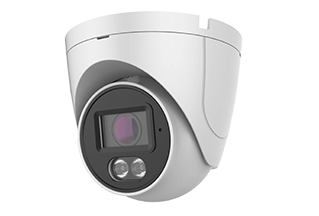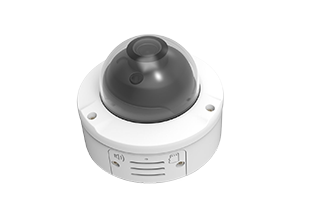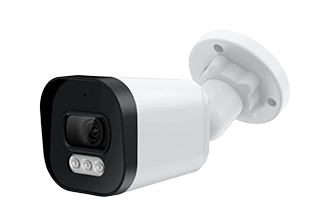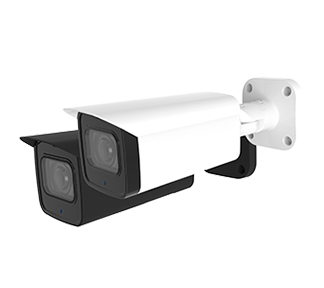
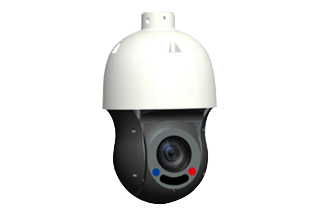
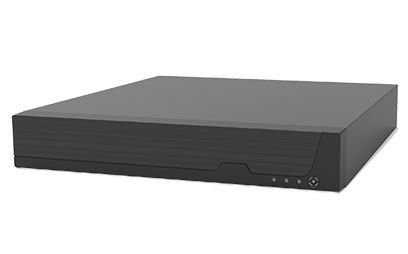
Industrial IP cameras have become critical eyes on ports, mines, production lines, tank farms, and automated facilities. Yet, these always-on vision sensors are also attractive entry points for cyber attackers. A compromised camera stream is more than a privacy breach—it can leak operational intelligence, disrupt industrial control, and open paths into OT/ICS networks. Protecting video streams in industrial zones requires security that matches the risk.
1. Understand the Threat Landscape
Industrial camera streams face unique cyber risks, including:
- Unauthorized access & credential theft
- Stream interception & eavesdropping
- Malware injection & botnet recruitment
- Network pivoting into OT/ICS systems
- Operational reconnaissance
Unlike consumer deployments, industrial environments give attackers insight into safety systems, hazardous materials, and logistics bottlenecks.
2. Encrypt the Stream at the Source
Use industrial-grade protocols that secure video in transit:
- HTTPS (TLS 1.2/1.3) for web access and API communication
- RTSPS (RTSP over TLS) instead of standard RTSP
- SRTP for encrypted video packet transport when supported
- Disable plain HTTP/RTSP/UDP multicast unless isolated inside a secure VLAN
Encryption ensures that even if network traffic is captured near heavy machinery or outdoor fiber runs, the stream cannot be decoded.
3. Eliminate Credential Weaknesses
Industrial cameras must ship and deploy with strong identity practices:
- Enforce complex passwords and eliminate factory defaults
- Enable account lockout policies
- Use role-based access control (RBAC)
- Integrate with enterprise identity systems
- For critical sites, adopt certificate-based authentication instead of passwords alone
4. Network Segmentation is Non-Negotiable
Never allow cameras to sit on the same subnet as industrial controllers. Recommended architecture:
- Cameras in a dedicated VLAN or physical network
- No direct routing into OT/ICS control segments
- Stream access only through secure gateways or hardened NVRs
- Deploy firewalls with deny-by-default rules
- Enable deep packet inspection (DPI) for camera traffic patterns
- For remote sites, tunnel streams through VPN or Zero-Trust proxies
Segmentation ensures that even if a camera is compromised, it cannot become a bridge into process control systems.
5. Patch, Update, and Validate Firmware
Botnets thrive in industrial blind spots where maintenance windows are rare.
- Maintain a firmware update schedule aligned with OT maintenance cycles
- Validate firmware using vendor signatures and checksums
- Disable unused services
- Reboot cameras after updates inside protected network maintenance zones
Signed firmware blocks attackers from loading malicious system images.
6. Harden the NVR and Streaming Stack
Since you have interest in cloud-hybrid NVR architectures, apply these rules:
- Store credentials in encrypted vaults
- Restrict outbound connections from NVR → cloud to whitelisted endpoints
- Enable stream anomaly detection
- Time-sync using secure NTP with authentication
- Log all stream access events and push them into SIEM or industrial SOC dashboards
NVRs should act as security buffers, not just storage devices.
7. Monitor with Industrial-Specific Indicators
Industrial sites benefit from behavioral monitoring beyond typical IT rules:
- Camera stream accessed outside of approved shifts
- Failed login bursts from edge switches or field cabinets
- RTSP negotiation from unauthorized network interfaces
- Unusual PTZ movement commands
- Stream restart loops that may indicate attack scripts
- New device discovery broadcasts near field switches
Feed these into SOC alerts or edge AI analytics for fast isolation.
8. Physical Layer Considerations
Cyber defense in ports and mines also needs physical resilience:
- Use shielded Ethernet or fiber media converters for long cable runs
- Lock camera network cabinets
- Deploy cabinet dehumidification to protect switches and security gateways
- Harden dome and housing materials to avoid forced resets or tampering that expose ports
Stream security starts at the wire.