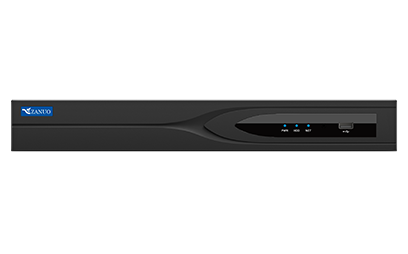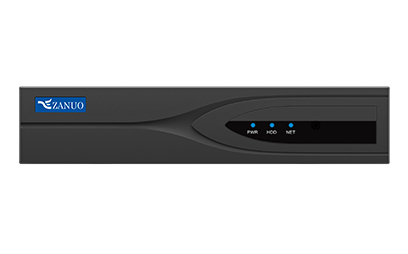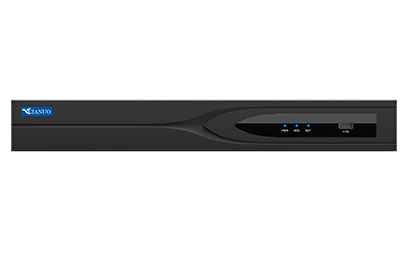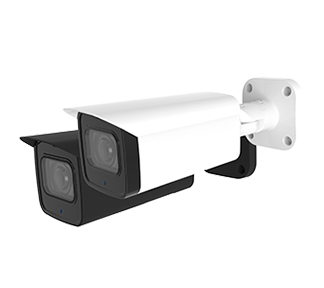
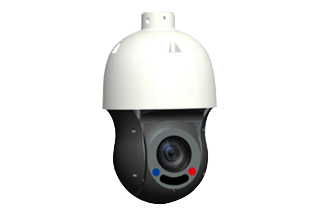
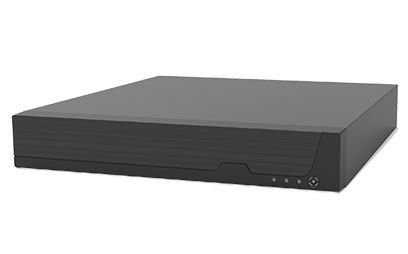
Deploying NVR (Network Video Recorder) systems in coastal and high-humidity environments presents unique technical challenges. Salt-laden air, persistent moisture, high temperatures, and frequent weather fluctuations can significantly reduce the reliability and lifespan of conventional surveillance equipment. For ports, offshore facilities, coastal cities, and industrial plants near the sea, selecting and designing the right NVR system is critical to ensuring uninterrupted video recording and system stability.
Environmental Challenges in Coastal Deployments
Coastal and high-humidity environments expose NVR systems to several stress factors:
- Salt Fog Corrosion: Salt particles accelerate corrosion of metal enclosures, connectors, and circuit boards.
- High Relative Humidity: Persistent moisture can cause condensation inside NVR housings, leading to short circuits or component degradation.
- Temperature Variations: Day–night temperature swings increase the risk of internal condensation.
- Power and Network Instability: Storms and lightning are more frequent in coastal areas, increasing the risk of electrical damage.
Without proper protection, standard commercial NVR systems may experience frequent failures, data loss, or shortened service life.
Key Design Considerations for Coastal NVR Systems
1. Corrosion-Resistant Hardware
Industrial-grade NVR systems designed for coastal use typically feature:
- Stainless steel or anti-corrosion coated enclosures
- Conformal coating on PCBs to protect against moisture and salt
- Gold-plated or sealed connectors to reduce oxidation
Salt fog testing (such as IEC 60068-2-52) is often used to validate corrosion resistance.
2. Enclosure Sealing and Ingress Protection
A high IP rating is essential:
- IP65 or higher to prevent moisture and dust ingress
- Gasket-sealed doors and cable glands
- Pressure equalization valves to reduce condensation risk
Proper enclosure design minimizes internal moisture buildup, even in environments with constant humidity above 90%.
3. Thermal Management and Condensation Control
In humid coastal zones, cooling solutions must be carefully selected:
- Fanless or sealed cooling designs to avoid drawing moist air inside
- Heat sinks and thermal paths optimized for continuous operation
- Optional enclosure heaters or dehumidifiers for condensation prevention
Effective thermal management not only improves reliability but also protects storage drives from premature failure.
Storage Reliability in Humid Environments
Hard drives are particularly sensitive to humidity and temperature extremes. Coastal-ready NVR systems often include:
- Industrial-grade HDDs or SSDs rated for extended temperature ranges
- RAID configurations for redundancy and data protection
- SMART monitoring and predictive failure alerts
These features help prevent data loss caused by environmental stress or unexpected drive failure.
Network and Power Protection Strategies
To ensure uninterrupted operation in coastal regions:
- Use surge protection and grounding systems designed for lightning-prone areas
- Deploy redundant power supplies and UPS systems
- Implement fiber-optic networking where possible to reduce electromagnetic interference and corrosion issues
Remote monitoring capabilities also allow maintenance teams to detect early signs of environmental impact.
Software and Cybersecurity Considerations
High-humidity environments often coincide with remote or distributed installations, making cybersecurity equally important:
- Secure firmware with regular updates
- Encrypted video streams and access control
- Health monitoring dashboards for temperature, humidity, and system status
Modern NVR software platforms can integrate environmental sensors to provide real-time alerts.
Typical Applications
NVR systems designed for coastal and high-humidity environments are widely used in:
- Seaports and container terminals
- Offshore oil and gas platforms
- Coastal smart city surveillance
- Desalination plants and water treatment facilities
- Shipyards and maritime logistics centers
In these applications, system downtime can result in significant operational and security risks.
Coastal and high-humidity environments demand more than standard surveillance solutions. By selecting corrosion-resistant materials, sealed enclosures, reliable storage architectures, and robust power and network protection, NVR systems can achieve long-term stability even under harsh environmental conditions.
For organizations operating in coastal regions, investing in purpose-built industrial NVR systems is not just a reliability decision—it is a critical part of operational risk management.