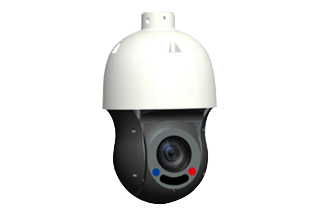
In modern surveillance and video monitoring systems, PTZ (Pan-Tilt-Zoom) cameras offer unmatched flexibility and control. However, even the most advanced PTZ camera cannot perform effectively without proper placement. Strategic positioning is essential to maximize coverage, minimize blind spots, and ensure efficient monitoring.
Key Factors to Consider for Optimal Placement
1. Coverage Area Analysis
Before installation, evaluate the entire surveillance area. Identify:
- Entry and exit points
- High-traffic zones
- Vulnerable or restricted areas
Position PTZ cameras where they can monitor multiple critical zones with minimal movement.
2. Mounting Height and Angle
Height plays a crucial role in maximizing visibility:
- Higher placement provides broader coverage but may reduce detail
- Lower placement improves facial recognition but limits range
A balanced height (typically 10–30 feet depending on the environment) ensures both coverage and clarity. Adjust tilt angles to eliminate blind spots.
3. Line of Sight and Obstructions
Ensure a clear line of sight:
- Avoid placing cameras behind walls, poles, or signage
- Consider future obstructions such as growing trees or new structures
PTZ cameras need unobstructed views to fully utilize their pan and zoom capabilities.
4. Lighting Conditions
Lighting significantly affects image quality:
- Avoid direct sunlight or glare facing the lens
- Use infrared or low-light PTZ cameras for nighttime monitoring
- Ensure consistent lighting in indoor environments
Proper lighting placement enhances video clarity and reduces noise.
5. Preset Positions and Patrol Paths
One of the biggest advantages of PTZ cameras is programmable presets:
- Set key positions for high-priority areas
- Configure automatic patrol routes
- Adjust dwell time based on risk levels
This ensures continuous monitoring without manual intervention.
Indoor vs Outdoor Placement Strategies
Indoor PTZ Camera Placement
- Install in corners for maximum room coverage
- Focus on entrances, hallways, and open spaces
- Maintain moderate mounting height for detailed imaging
Outdoor PTZ Camera Placement
- Mount on poles or building exteriors for wide coverage
- Use weatherproof housings
- Position to monitor parking lots, perimeters, and access roads
Outdoor placement should prioritize durability and long-range visibility.
Advanced Tips for Maximum Coverage
Integrate with Fixed Cameras
Combine PTZ cameras with fixed cameras:
- Fixed cameras provide constant monitoring
- PTZ cameras handle dynamic tracking and zooming
Use AI and Auto-Tracking Features
Modern PTZ cameras include intelligent tracking:
- Automatically follow moving objects
- Reduce manual control requirements
- Improve response time in security scenarios
Leverage Remote Monitoring
Remote access allows operators to:
- Adjust camera angles in real time
- Respond quickly to incidents
- Monitor multiple locations from a central system
Optimizing PTZ camera placement is essential for achieving maximum surveillance coverage and efficiency. By carefully analyzing the environment, adjusting height and angles, and leveraging advanced features like presets and AI tracking, you can significantly enhance your security system’s performance. Proper planning and strategic installation ensure that your PTZ cameras deliver reliable, high-quality monitoring in any setting.