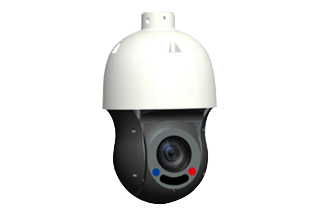
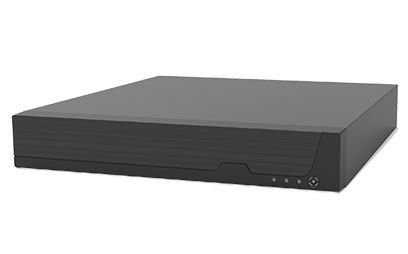
As sustainability becomes a global priority, businesses and homeowners are rethinking how their security infrastructure impacts energy consumption and the environment. Traditional surveillance setups often run continuously, consuming significant power and generating heat. Today, green and energy-efficient NVR (Network Video Recorder) systems are emerging as a smarter alternative—delivering high-performance security while reducing energy usage and operational costs.
What Makes an NVR System Energy-Efficient?
Energy-efficient NVR systems are designed with advanced technologies that minimize power consumption without compromising performance. Key features include:
- Low-power processors that optimize recording and data processing
- Smart recording modes such as motion detection and scheduled recording
- Efficient video compression technologies like H.265+ to reduce storage and bandwidth usage
- Power management settings that adjust system performance based on demand
These innovations help reduce unnecessary energy usage, making NVR systems more sustainable.
Benefits of Green NVR Systems
1. Reduced Energy Costs
Energy-efficient NVR systems consume less electricity, leading to noticeable savings on utility bills—especially for large-scale surveillance deployments.
2. Lower Carbon Footprint
By minimizing power consumption, these systems contribute to reduced greenhouse gas emissions, aligning with environmental sustainability goals.
3. Longer Equipment Lifespan
Lower heat generation reduces wear and tear on components, extending the life of the NVR system and connected devices.
4. Optimized Storage Efficiency
Advanced compression technologies allow users to store more footage with less hardware, reducing the need for additional storage devices and energy consumption.
Key Technologies Driving Energy Efficiency
Smart Video Analytics
Modern NVR systems integrate AI-powered analytics to record only relevant events. This reduces redundant footage and saves both storage space and energy.
H.265+ Video Compression
Compared to older standards, H.265+ significantly reduces file sizes, lowering storage requirements and decreasing the energy needed for data processing and transfer.
PoE (Power over Ethernet) Integration
PoE-enabled NVR systems simplify installation and reduce energy waste by delivering power and data through a single cable, improving overall efficiency.
Cloud and Hybrid Storage
Cloud-integrated NVR systems allow flexible storage management, reducing reliance on energy-intensive on-site hardware.
Applications of Energy-Efficient NVR Systems
- Smart Homes: Reduce electricity consumption while maintaining 24/7 security
- Retail Stores: Lower operational costs while enhancing surveillance coverage
- Warehouses & Logistics: Efficient monitoring of large spaces with minimal energy waste
- Commercial Buildings: Support sustainability certifications such as LEED
Tips for Choosing a Green NVR System
- Look for systems with energy efficiency certifications
- Choose models supporting advanced compression formats (H.265/H.265+)
- Opt for scalable storage solutions to avoid unnecessary hardware expansion
- Evaluate power consumption ratings before purchase
- Consider remote monitoring features to reduce on-site energy usage
Green and energy-efficient NVR systems represent a significant shift in the surveillance industry. By combining advanced technology with sustainability principles, these systems help organizations reduce costs, minimize environmental impact, and improve operational efficiency. As energy concerns continue to rise, adopting eco-friendly NVR solutions is not just a trend—it’s a smart and responsible investment for the future.