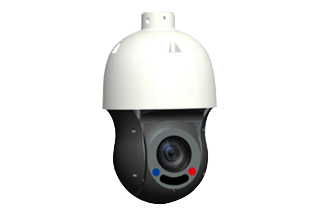
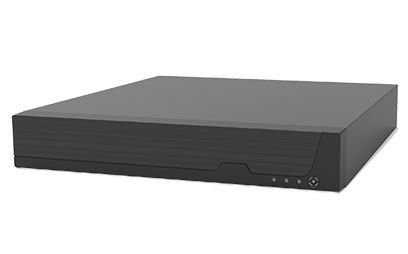
As IP-based surveillance systems become more complex and multi-vendor deployments more common, interoperability has become a critical requirement. For PTZ (Pan-Tilt-Zoom) cameras, seamless integration with network video recorders (NVRs), video management systems (VMS), and control platforms is essential. This is where ONVIF compatibility plays a central role.
ONVIF Profiles Relevant to PTZ Cameras
ONVIF organizes functionality into profiles, each targeting specific use cases. The most relevant profiles for PTZ cameras include:
- Profile S: Core video streaming and basic PTZ control
- Profile G: Edge storage and playback management
- Profile T: Advanced video streaming, H.265/H.265+, and analytics metadata
- Profile M: Metadata and analytics interoperability
PTZ cameras supporting multiple ONVIF profiles offer greater flexibility and compatibility in modern surveillance systems.
PTZ Control and Preset Interoperability
One of the most critical aspects of PTZ camera integration is control interoperability. ONVIF standardizes:
- Pan, tilt, and zoom commands
- Preset creation, recall, and deletion
- Speed control and absolute/relative positioning
- Patrol and tour functions (to a defined extent)
This allows operators to control PTZ cameras from different VMS platforms without proprietary drivers or plugins.
Multi-Vendor System Integration
In real-world deployments, surveillance systems often include cameras, NVRs, and analytics software from multiple vendors. ONVIF-compatible PTZ cameras enable:
- Plug-and-play discovery across networks
- Centralized management of heterogeneous devices
- Easier system expansion and upgrades
- Reduced integration and commissioning time
This interoperability is especially valuable in large-scale projects such as smart cities, transportation hubs, and industrial facilities.
Limitations and Practical Considerations
While ONVIF greatly improves interoperability, it is not without limitations. Some advanced PTZ features—such as proprietary AI tracking algorithms or specialized motion presets—may not be fully exposed through ONVIF interfaces. System integrators should:
- Verify supported ONVIF profiles and versions
- Test PTZ responsiveness and latency in the target VMS
- Confirm compatibility for advanced features beyond basic PTZ control
Understanding these limitations helps avoid unexpected functionality gaps.
Cybersecurity and ONVIF Compliance
ONVIF also addresses security through standardized authentication and encrypted communication mechanisms. Modern ONVIF-compliant PTZ cameras typically support:
- User authentication and role-based access
- HTTPS and secure media transport
- Certificate-based device identity
These features help maintain secure interoperability in networked surveillance environments.
ONVIF compatibility is a cornerstone of PTZ camera interoperability in modern surveillance systems. By enabling standardized communication, flexible integration, and multi-vendor support, ONVIF-compliant PTZ cameras help future-proof security investments while simplifying system design and operation.
For organizations seeking scalable and open surveillance architectures, ONVIF compatibility is no longer optional—it is essential.