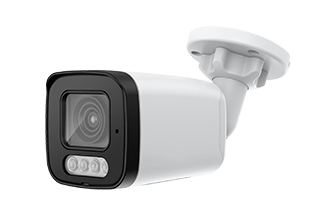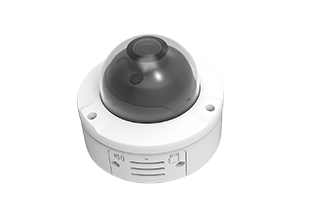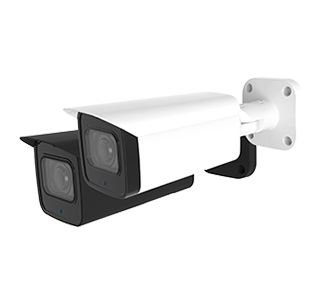
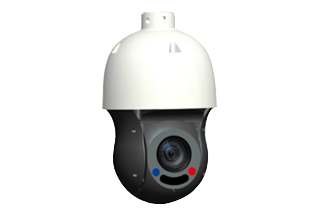
Public buildings such as government offices, libraries, schools, hospitals, transportation hubs, and community centers serve large numbers of people every day. Maintaining safety and security in these environments is a major responsibility. As security technology continues to evolve, IP camera systems have become an essential part of modern building surveillance.
IP cameras help facility managers monitor public areas, deter criminal activity, investigate incidents, and improve emergency response. However, installing surveillance cameras in public spaces also raises important questions about privacy, transparency, and individual consent.
The challenge is not simply deciding where to install cameras. It is finding the right balance between effective security monitoring and respecting the privacy rights of employees, visitors, and members of the public. Clear signage, responsible camera placement, and transparent privacy policies are key to achieving this balance.
The Importance of Clear Surveillance Signage
One of the simplest and most effective ways to promote transparency is through visible surveillance signage.
People entering a monitored building should be able to understand that video surveillance is in operation. Appropriate signs help eliminate uncertainty and demonstrate that the organization takes privacy and transparency seriously.
Effective surveillance signs should:
-
Be positioned at entrances and other appropriate locations before people enter monitored areas.
-
Clearly state that video surveillance is in operation.
-
Identify the organization or facility responsible for operating the system.
-
Provide contact information or a website where visitors can learn more about surveillance policies.
-
Use simple, readable language and recognizable symbols.
For example, a sign might state:
"VIDEO SURVEILLANCE IN OPERATION. This facility uses security cameras to help protect visitors, employees, and property. For information about our privacy practices, please contact facility management."
Signage should not be treated as a substitute for a comprehensive privacy policy. Instead, it should serve as the first step in communicating how surveillance operates within the facility.
Strategic Camera Placement: Security Without Over-Surveillance
Camera placement plays a major role in balancing security requirements with privacy expectations.
Public buildings often contain areas with different levels of privacy. Entrances, reception desks, hallways, and parking facilities may reasonably require security monitoring. However, sensitive spaces demand greater protection.
Recommended camera locations may include:
-
Main entrances and exits
-
Reception and registration areas
-
Public corridors and stairwells
-
Parking garages and exterior access points
-
Public waiting areas
-
Restricted-access entrances
By contrast, cameras should generally be avoided in highly private spaces, including restrooms, changing rooms, and private treatment or consultation areas.
Additional precautions should be considered when monitoring spaces such as medical facilities, counseling rooms, employee break areas, or locations where sensitive personal information may be discussed.
Organizations can also use privacy masking to prevent cameras from capturing unnecessary details. Adjusting camera angles, limiting zoom capabilities, and disabling audio recording unless specifically justified can further reduce privacy risks.
The objective should be to capture the information necessary for legitimate security purposes without collecting excessive personal data.
Data Protection and Responsible Video Management
Installing IP cameras is only one part of a responsible surveillance strategy. Protecting recorded footage is equally important.
Video recordings may contain identifiable personal information, making data security a critical consideration.
Public building operators should implement appropriate safeguards, including:
Access Control
Only authorized personnel should be permitted to view, download, or manage surveillance footage. Individual user accounts and role-based permissions can help prevent unauthorized access.
Data Encryption
Encryption can help protect video streams and stored recordings against interception or unauthorized access.
Retention Policies
Footage should only be retained for as long as necessary to fulfill its stated purpose, subject to applicable legal requirements. Organizations should establish clear deletion schedules rather than keeping recordings indefinitely.
Audit Logs
Access and export activities should be recorded so administrators can identify unusual activity and investigate potential misuse.
Network Security
IP cameras should be protected through strong passwords, secure network configurations, regular firmware updates, and appropriate network segmentation.
These measures help ensure that surveillance systems protect people and property without creating unnecessary privacy or cybersecurity risks.
Building Public Trust Through Transparency
Public acceptance of surveillance depends heavily on how organizations communicate and manage their systems.
People are generally more likely to accept security cameras when they understand why monitoring is necessary, where cameras are located, and how their information is protected.
Facility managers can strengthen public trust by:
-
Publishing an accessible video surveillance and privacy policy.
-
Explaining the security purposes behind camera installations.
-
Providing a contact point for privacy-related questions.
-
Training security personnel on privacy and data protection responsibilities.
-
Reviewing camera locations and system configurations regularly.
-
Establishing clear procedures for responding to requests for recorded footage.
Transparency should be an ongoing commitment rather than a one-time activity during installation.
When people understand how surveillance works and what safeguards are in place, security technology becomes easier to integrate into public environments responsibly.
IP cameras play an increasingly important role in protecting public buildings. From preventing unauthorized access to supporting incident investigations, modern surveillance systems provide valuable security benefits.
By balancing IP camera technology with signage and privacy responsibilities, public building operators can create safer environments while maintaining public confidence.