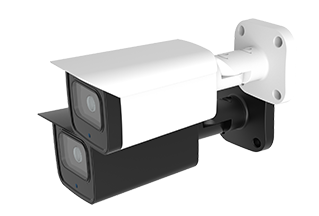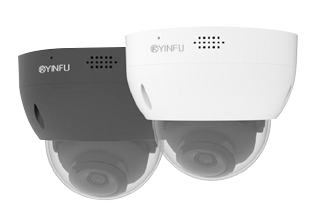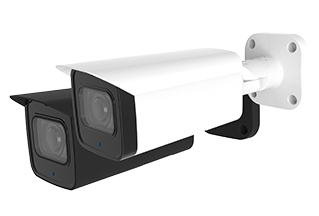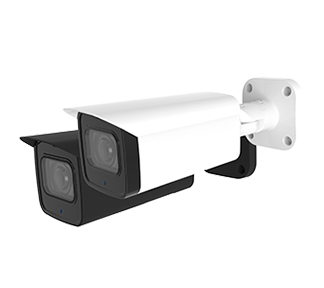
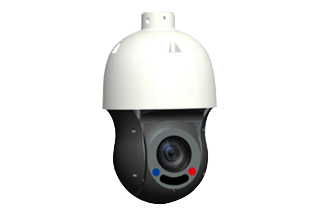
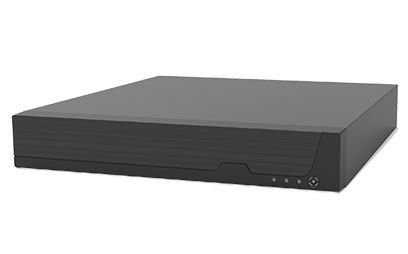
In today’s fast-paced supply chain environment, logistics and fleet management companies face increasing pressure to improve efficiency, ensure safety, and reduce operational costs. One technology playing a transformative role is the IP camera system. By providing real-time monitoring, data-driven insights, and enhanced security, IP cameras are becoming indispensable tools across transportation and logistics operations.
Key Benefits of IP Cameras in Fleet Management
1. Real-Time Fleet Monitoring
IP cameras enable fleet managers to monitor vehicles in real time, ensuring drivers follow routes and schedules. Live video feeds help identify delays, unsafe driving, or unauthorized stops.
2. Improved Driver Safety
Driver-facing cameras can detect fatigue, distraction, or risky behavior. With AI-powered alerts, companies can proactively reduce accidents and improve overall road safety.
3. Theft Prevention and Cargo Security
Cargo theft is a major concern in logistics. IP cameras provide continuous surveillance of goods during transit and at storage facilities, deterring theft and enabling quick response when incidents occur.
4. Enhanced Operational Efficiency
By analyzing video data, companies can optimize loading/unloading processes, reduce idle times, and streamline workflow in warehouses and distribution hubs.
5. Evidence Collection and Compliance
In case of accidents or disputes, recorded footage serves as reliable evidence. IP camera systems also help companies comply with transportation safety regulations and insurance requirements.
Applications in Logistics Operations
Warehouse Surveillance
IP cameras monitor inventory movement, employee activity, and equipment usage. This improves accuracy, reduces shrinkage, and enhances workplace safety.
Vehicle Tracking and Monitoring
Installed on dashboards or exteriors, cameras provide visibility into driving conditions, traffic, and delivery operations.
Cold Chain Monitoring
For temperature-sensitive goods, IP cameras integrated with sensors ensure proper handling and storage conditions throughout the supply chain.
Last-Mile Delivery Optimization
Cameras help verify deliveries, reduce disputes, and improve customer satisfaction by providing visual proof of delivery.
Integration with Advanced Technologies
Artificial Intelligence (AI)
Modern IP cameras use AI for:
- Facial recognition
- Object detection
- Behavior analysis
Cloud-Based Systems
Cloud integration allows remote access to footage, scalable storage, and easier system management without heavy on-site infrastructure.
IoT and Telematics Integration
Combining IP cameras with GPS and telematics systems provides a comprehensive view of fleet performance, including location, speed, and driver behavior.
Challenges and Considerations
Data Security
As IP cameras operate over networks, they are vulnerable to cyber threats. Implementing encryption, secure passwords, and regular updates is essential.
Bandwidth Requirements
High-resolution video streaming requires robust network infrastructure to avoid latency or data loss.
Privacy Concerns
Companies must balance surveillance with employee privacy by following legal regulations and transparent policies.
IP cameras are revolutionizing logistics and fleet management by delivering greater visibility, improved safety, and smarter decision-making. As technology continues to evolve, businesses that adopt advanced IP camera systems will gain a competitive edge through enhanced efficiency and security.