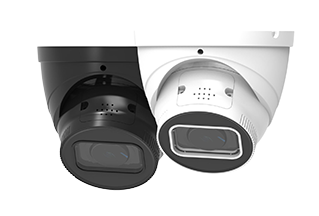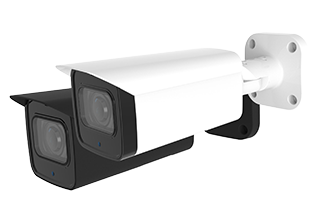
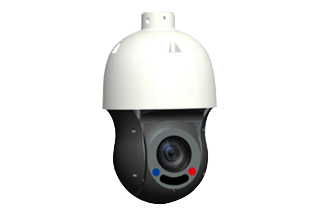
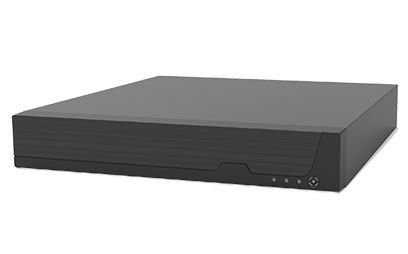
Modern healthcare facilities require advanced security, efficient operations, and continuous patient safety monitoring. With the rapid development of Healthcare Technology and intelligent surveillance systems, IP cameras have become an essential component in hospitals and healthcare environments.
From patient monitoring to access control and operational management, IP camera systems help healthcare providers improve safety, optimize workflows, and enhance overall service quality. Their high-definition imaging, remote accessibility, and smart analytics make them ideal for modern medical facilities.
Importance of IP Cameras in Healthcare Facilities
Healthcare environments operate around the clock and require constant monitoring to protect patients, staff, visitors, and medical assets. IP camera systems provide several important benefits:
-
Enhanced patient safety
-
Improved hospital security
-
Better staff accountability
-
Efficient incident investigation
-
Reduced operational risks
Modern hospitals increasingly rely on smart surveillance technologies to support healthcare management and compliance requirements.
Key IP Camera Applications in Hospitals
Patient Monitoring and Safety
One of the most important uses of IP cameras in healthcare facilities is patient observation.
Hospitals use IP cameras in:
-
Intensive Care Units (ICUs)
-
Emergency rooms
-
Elderly care wards
-
Mental health facilities
-
Isolation rooms
Medical staff can remotely monitor patients in real time, allowing faster responses during emergencies while reducing unnecessary physical contact.
High-definition video monitoring also helps improve patient care quality and safety.
Hospital Entrance and Access Control
Hospitals receive large numbers of visitors every day, making access management essential.
IP cameras help monitor:
-
Main entrances
-
Emergency exits
-
Staff-only areas
-
Pharmacy storage rooms
-
Equipment warehouses
Integrated surveillance systems can detect unauthorized access attempts and improve overall building security.
Monitoring Sensitive Medical Areas
Certain healthcare departments require strict monitoring and restricted access.
These areas include:
-
Operating rooms
-
Pharmaceutical storage
-
Laboratories
-
Data centers
-
Medical equipment rooms
IP cameras provide continuous visual monitoring to help prevent theft, contamination, and operational errors.
Infant Protection in Maternity Wards
Maternity and neonatal departments use IP cameras to improve infant safety and monitoring.
Applications include:
-
Nursery surveillance
-
Baby identification verification
-
Visitor monitoring
-
Infant transfer tracking
Advanced surveillance systems help hospitals maintain high security standards in sensitive healthcare environments.
Emergency Room Surveillance
Emergency departments are often fast-paced and high-risk environments.
IP cameras help hospitals:
-
Monitor patient flow
-
Improve emergency response coordination
-
Document incidents
-
Enhance staff safety
-
Reduce workplace violence risks
Real-time video monitoring supports efficient emergency management.
Staff Safety and Workplace Security
Healthcare workers frequently operate in stressful environments and may face safety risks.
IP camera systems help:
-
Monitor restricted zones
-
Record workplace incidents
-
Improve night-shift security
-
Support emergency response procedures
Video evidence can also assist in resolving disputes and improving operational transparency.
Parking Lot and Perimeter Security
Large healthcare facilities require outdoor surveillance to protect vehicles, staff, and visitors.
Outdoor IP cameras are commonly installed in:
-
Parking lots
-
Ambulance entrances
-
Loading zones
-
Building perimeters
-
Public access areas
Features such as night vision and motion detection improve security coverage around the clock.
Advanced Features of Healthcare IP Camera Systems
AI-Based Video Analytics
Modern IP cameras use artificial intelligence to improve surveillance efficiency.
AI features may include:
-
Motion detection
-
Facial recognition
-
Object tracking
-
Intrusion alerts
-
Crowd monitoring
These smart technologies help reduce manual monitoring workloads.
Remote Monitoring Capabilities
Healthcare administrators and security personnel can access live video remotely through secure network systems.
Remote monitoring allows:
-
Faster emergency response
-
Multi-site hospital management
-
Real-time security updates
-
Operational flexibility
This feature is especially useful for large healthcare networks.
High-Resolution Imaging
Modern hospitals often require highly detailed video recordings for security and investigation purposes.
4K and high-definition IP cameras provide:
-
Clear facial identification
-
Improved incident analysis
-
Enhanced image clarity in low-light conditions
High-resolution surveillance supports both security and operational management.
Benefits of IP Cameras in Healthcare Facilities
Improved Patient Care
Continuous monitoring supports faster response times and better healthcare service quality.
Enhanced Security
IP cameras help reduce theft, unauthorized access, and workplace incidents.
Operational Efficiency
Video analytics and remote access improve workflow management and resource allocation.
Regulatory Compliance
Surveillance systems assist hospitals in meeting healthcare safety and security requirements.
Cost Reduction
Preventing theft, reducing liability risks, and improving efficiency can lower long-term operational costs.
IP cameras have become an essential technology in hospitals and healthcare facilities. Their applications range from patient monitoring and access control to emergency management and perimeter security.