Modern transportation networks require continuous monitoring to ensure traffic safety, improve operational efficiency, and support rapid incident response. As highways become busier and traffic management systems more sophisticated, transportation agencies are increasingly adopting advanced surveillance technologies to gain real-time visibility across extensive road networks.
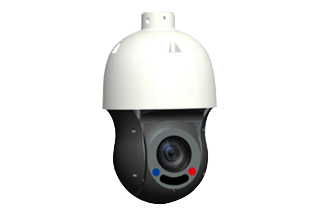
One of the most effective solutions for traffic monitoring is the PTZ camera. PTZ (Pan-Tilt-Zoom) cameras offer flexible viewing capabilities, long-range coverage, and remote control functionality, making them ideal for highway and roadway surveillance. By enabling operators to monitor large areas, track incidents, and zoom in on critical events, PTZ cameras play a vital role in intelligent transportation systems.
Why PTZ Cameras Are Essential for Highway Monitoring
Highways and roadways present unique surveillance challenges:
-
Large geographic coverage areas
-
High vehicle speeds
-
Multiple traffic lanes
-
Changing weather conditions
-
Accident and incident risks
-
Infrastructure security requirements
PTZ cameras help overcome these challenges by providing comprehensive situational awareness and real-time monitoring capabilities.
Key Benefits of PTZ Cameras for Roadway Surveillance
Wide-Area Coverage
A single PTZ camera can monitor a significantly larger area than a fixed camera.
Advantages include:
-
Reduced equipment requirements
-
Lower installation costs
-
Greater monitoring flexibility
-
Improved traffic visibility
This makes PTZ cameras particularly valuable for highways, interchanges, bridges, and tunnels.
Real-Time Incident Detection
Traffic incidents require immediate attention to minimize disruptions and enhance public safety.
PTZ cameras enable operators to:
-
Identify accidents quickly
-
Monitor vehicle breakdowns
-
Detect traffic congestion
-
Observe hazardous road conditions
-
Assess emergency situations
Rapid detection supports faster response times and improved traffic management.
Long-Range Monitoring
Modern PTZ cameras feature powerful optical zoom capabilities.
This allows operators to:
-
Observe distant vehicles
-
Read roadway signs
-
Monitor traffic flow
-
Inspect infrastructure assets
-
Track incidents across extended distances
Long-range visibility is particularly important on highways where events may occur far from monitoring centers.
Enhanced Traffic Flow Management
Transportation agencies use PTZ cameras to optimize roadway operations.
Applications include:
-
Monitoring traffic density
-
Managing congestion
-
Supporting lane control systems
-
Evaluating construction zone impacts
-
Coordinating detour operations
Accurate traffic information helps agencies make informed operational decisions.
PTZ Cameras in Intelligent Transportation Systems
PTZ cameras are a critical component of modern Intelligent Transportation Systems (ITS).
Integration with Traffic Management Centers
PTZ camera networks provide live video feeds to traffic control centers, enabling operators to:
-
Monitor roadway conditions
-
Verify automated alerts
-
Coordinate incident responses
-
Improve situational awareness
This integration enhances the effectiveness of transportation management programs.
Automatic Incident Verification
Many traffic monitoring systems generate alerts based on sensor data.
PTZ cameras allow operators to:
-
Verify incidents visually
-
Determine severity levels
-
Dispatch appropriate resources
-
Reduce false alarms
Visual confirmation improves operational efficiency and resource allocation.
AI-Powered PTZ Camera Capabilities
Artificial intelligence is transforming highway surveillance.
Automatic Vehicle Tracking
AI-enabled PTZ cameras can automatically track moving vehicles and monitor traffic patterns without constant operator intervention.
Benefits include:
-
Improved monitoring efficiency
-
Enhanced incident detection
-
Continuous target tracking
-
Reduced operator workload
Vehicle Classification
Advanced analytics can identify and categorize:
-
Passenger vehicles
-
Trucks
-
Buses
-
Motorcycles
-
Specialized vehicles
This information supports transportation planning and traffic analysis.
Traffic Pattern Analysis
AI-powered PTZ systems can analyze:
-
Vehicle counts
-
Traffic speeds
-
Congestion trends
-
Peak traffic periods
These insights help agencies optimize roadway operations and infrastructure planning.
Highway Infrastructure Monitoring
PTZ cameras are not limited to vehicle surveillance.
They also help monitor critical roadway infrastructure, including:
Bridges
PTZ cameras support:
-
Structural inspections
-
Traffic observation
-
Emergency response coordination
Tunnels
Monitoring capabilities include:
-
Traffic flow management
-
Incident detection
-
Safety monitoring
Interchanges and Junctions
PTZ systems help operators observe complex traffic movements and identify bottlenecks.
Weather and Environmental Monitoring
Roadway conditions can change rapidly due to weather.
PTZ cameras help agencies monitor:
-
Snow accumulation
-
Heavy rainfall
-
Flooding
-
Fog conditions
-
Ice formation
Real-time visibility supports proactive traffic management and public safety efforts.
Emergency Response Applications
PTZ cameras play a critical role during emergencies.
Accident Management
Operators can:
-
Assess accident severity
-
Coordinate emergency services
-
Monitor recovery efforts
-
Manage traffic diversions
Disaster Response
During natural disasters or major incidents, PTZ cameras provide valuable situational awareness for emergency management teams.
PTZ cameras have become an indispensable tool for highway and roadway monitoring. Their ability to provide wide-area surveillance, long-range observation, real-time incident detection, and intelligent traffic analysis makes them a valuable asset for transportation agencies and traffic management centers.