Modern agriculture increasingly relies on advanced technology to improve productivity, operational efficiency, and safety. As farms, ranches, greenhouses, and agricultural facilities become larger and more automated, security challenges also continue to grow. Theft, vandalism, equipment damage, unauthorized access, and livestock monitoring have become major concerns for agricultural businesses worldwide.
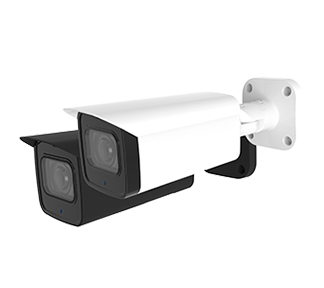
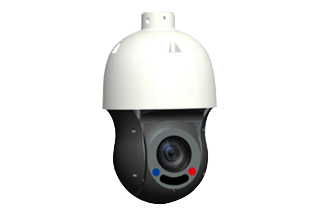
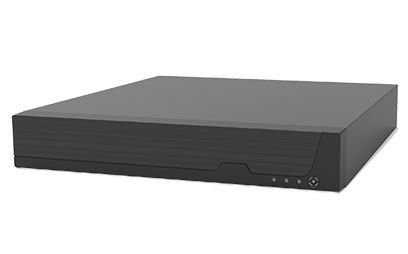
An NVR system provides a powerful and reliable surveillance solution for protecting agricultural properties and assets. By combining IP cameras with network video recording technology, modern NVR systems offer high-definition monitoring, remote access, intelligent alerts, and scalable security management for a wide range of agricultural environments.
Why Security Is Important in Agriculture
Agricultural facilities often cover extensive areas with valuable equipment, livestock, crops, fuel, and storage assets. Many farms operate in remote locations, making them vulnerable to security risks such as:
- Equipment theft
- Fuel theft
- Crop vandalism
- Trespassing
- Livestock theft
- Illegal dumping
- Unauthorized vehicle access
- Fire and safety hazards
An advanced NVR surveillance system helps agricultural businesses reduce losses, improve operational visibility, and increase overall farm security.
Key Agricultural Security Applications for NVR Systems
Farm Perimeter Monitoring
Large farms require continuous monitoring of entry points, fences, gates, and property boundaries. NVR systems connected to outdoor IP cameras help detect unauthorized access and suspicious activity in real time.
Benefits include:
- 24/7 perimeter surveillance
- Motion-triggered recording
- Remote monitoring from mobile devices
- Instant security alerts
- Improved intrusion prevention
Thermal and infrared cameras can also enhance nighttime monitoring in low-light agricultural environments.
Livestock Monitoring and Protection
NVR systems are widely used for monitoring livestock health, movement, and safety. Cameras installed in barns, feeding stations, and grazing areas help farmers observe animal behavior remotely.
Applications include:
- Monitoring calving and birthing processes
- Detecting abnormal livestock behavior
- Preventing livestock theft
- Monitoring feeding operations
- Improving animal welfare management
Remote viewing allows farm owners to check livestock conditions at any time without physically visiting each area.
Equipment and Machinery Security
Agricultural machinery such as tractors, harvesters, irrigation systems, and utility vehicles represent major investments. NVR systems help protect expensive equipment from theft and vandalism.
Security cameras can monitor:
- Equipment storage yards
- Maintenance facilities
- Fuel stations
- Loading and unloading zones
- Machinery operation areas
Recorded footage also assists with incident investigation and insurance claims.
Crop Monitoring and Field Surveillance
NVR surveillance systems can help monitor crop fields, greenhouses, and irrigation systems. Farmers can use high-definition cameras to track crop conditions and identify potential issues early.
Benefits include:
- Detecting unauthorized entry into fields
- Monitoring irrigation performance
- Preventing crop theft
- Observing weather-related damage
- Supporting precision agriculture operations
Smart surveillance technology improves farm management and reduces operational risks.
Greenhouse Security and Environmental Monitoring
Greenhouses often contain high-value crops and climate-sensitive growing environments. NVR systems help protect greenhouse facilities while supporting operational oversight.
Common applications include:
- Monitoring greenhouse entrances
- Supervising automated growing systems
- Observing worker activity
- Detecting environmental equipment failures
- Protecting valuable crops from theft or sabotage
High-resolution IP cameras provide detailed visibility inside greenhouse operations.
Warehouse and Storage Facility Protection
Agricultural warehouses store seeds, chemicals, fertilizers, harvested crops, and valuable inventory. NVR systems improve security and inventory protection by monitoring storage facilities continuously.
Key surveillance areas include:
- Warehouse entrances and exits
- Loading docks
- Storage shelves
- Cold storage facilities
- Chemical handling areas
Video recordings can help reduce internal theft and improve operational accountability.
Remote Farm Management with NVR Systems
One of the biggest advantages of modern NVR systems is remote accessibility. Farmers and agricultural managers can view live video feeds from smartphones, tablets, or computers.
Remote monitoring features include:
- Real-time video access
- Mobile security alerts
- Multi-camera viewing
- Cloud storage integration
- Video playback and event review
This flexibility allows agricultural businesses to maintain control over operations even when off-site.
AI and Smart Features in Agricultural NVR Systems
Modern NVR systems now include AI-powered functions that improve agricultural surveillance efficiency.
Advanced features may include:
- Motion detection
- Human and vehicle recognition
- License plate recognition
- Intrusion detection
- Smart event notifications
- Automated recording schedules
AI analytics reduce false alarms while helping farms respond faster to security incidents.
Benefits of NVR Systems for Agricultural Businesses
Improved Farm Security
Continuous surveillance helps deter theft, vandalism, and trespassing.
Better Operational Oversight
Farm managers gain real-time visibility into daily activities and equipment usage.
Reduced Financial Losses
Preventing theft and equipment damage lowers unexpected operational costs.
Enhanced Safety
NVR systems improve worker safety monitoring and emergency response.
Scalable Surveillance Solutions
NVR systems can easily expand as farms grow and operational needs increase.
NVR systems have become an essential security solution for modern agricultural operations. From protecting livestock and machinery to monitoring crops and warehouses, NVR surveillance technology helps farms improve safety, reduce losses, and enhance operational efficiency.