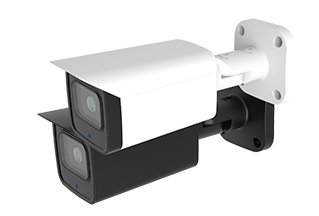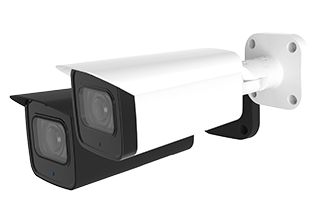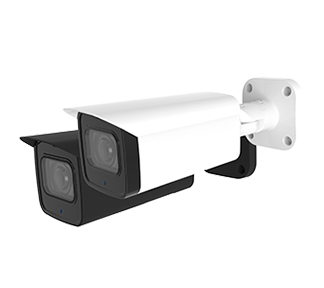
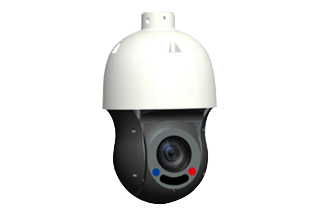
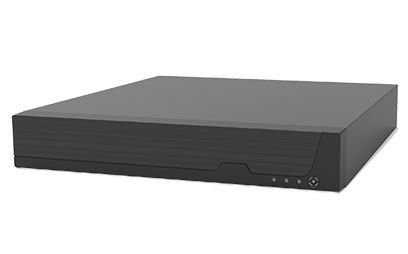
The security landscape is evolving fast, and at the center of this transformation is the growing integration of artificial intelligence (AI) into IP camera systems. Once limited to simple video capture and remote viewing, today’s IP cameras are becoming powerful edge-computing devices capable of analyzing scenes, detecting threats, and making decisions in real time. This shift is redefining how businesses, cities, and homeowners approach surveillance. Here’s why AI is driving the next generation of IP camera innovation.
1. Real-Time Intelligent Video Analytics
Traditional IP cameras rely heavily on human monitoring or central servers for analysis. AI-equipped cameras, however, can process video directly at the edge.
AI enables features such as:
- Object detection (people, vehicles, animals, packages)
- Behavior analysis (loitering, intrusion, tailgating)
- Face recognition for access control
- License plate recognition (LPR) for traffic and parking management
Real-time intelligence means faster responses and more accurate detection, even without a human watching.
2. Reduced False Alarms Through Smarter Detection
Motion-based alerts in legacy systems often trigger false positives—small animals, wind, shadows, or weather can set off alarms unnecessarily. AI reduces this dramatically.
With machine learning-based filtering, IP cameras can distinguish between:
- Actual threats vs. harmless movement
- People vs. animals
- Vehicles vs. background motion
This improves operational efficiency, reduces security workload, and ensures critical alerts receive immediate attention.
3. Enhanced Low-Light and Night Performance
AI-powered image processing improves clarity in challenging lighting conditions. Using neural algorithms, modern IP cameras can:
- Brighten dark scenes without increasing noise
- Improve contrast and edge definition
- Identify objects even in near-zero light
- Automatically adjust exposure for dynamic environments
This makes night surveillance more reliable than ever before.
4. Edge Computing Reduces Bandwidth and Storage Needs
Traditional systems upload full video streams to servers for processing, consuming large amounts of network and storage resources. AI-enabled IP cameras handle much of the analysis locally.
Benefits include:
- Lower bandwidth usage
- Reduced cloud or NVR storage requirements
- Faster event processing
- Higher scalability for large installations
Only relevant video clips or metadata need to be transmitted, optimizing system performance.
5. Behavior and Pattern Recognition for Predictive Security
Next-generation IP cameras don't just react—they predict. With AI analyzing patterns over time, cameras can identify anomalies.
Examples include:
- Unusual movement in restricted areas
- Unexpected gathering of people
- Vehicles stopping in odd locations
- Repetitive suspicious behavior
Predictive analytics help organizations act before incidents escalate.
6. Seamless Integration With Smart Building and IoT Systems
Modern surveillance systems are no longer isolated. AI-enabled IP cameras integrate easily into IoT networks, enabling smart automation.
For example:
- A camera detecting unauthorized entry can lock doors automatically
- Heatmaps can optimize retail store layouts
- Occupancy data can adjust HVAC and lighting systems
- Traffic flow analytics can improve urban planning
IP cameras are becoming multifunctional sensors, not just security devices.
7. Improved User Experience Through Automation
AI simplifies system management for operators.
Automations include:
- Auto-tracking moving targets
- Automatic scene adjustment
- Smart alerts based on context
- Intelligent search tools to find specific events within hours of footage
The system does the heavy lifting, allowing security teams to focus on high-priority tasks.
8. Increased Scalability and Cost Efficiency
As AI capabilities grow, IP camera systems provide more value without requiring expensive hardware upgrades. Benefits include:
- Fewer cameras needed for the same coverage
- Reduced manual monitoring
- Lower long-term operating costs
- More accurate data insights for business decisions
AI makes IP camera deployments more efficient for organizations of all sizes.
AI is redefining what IP cameras can do. By enabling real-time analytics, reducing false alarms, improving low-light imaging, leveraging edge computing, and delivering predictive security insights, AI-equipped IP cameras are becoming indispensable tools for modern surveillance and smart infrastructure. As the technology advances, we can expect even more powerful, autonomous, and integrated camera systems that protect people and optimize environments more effectively than ever.