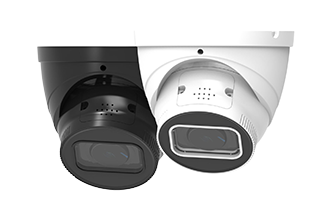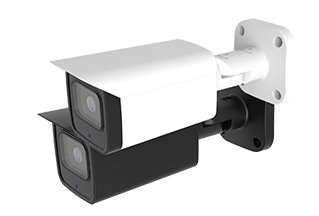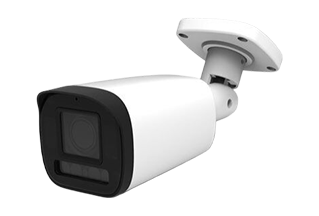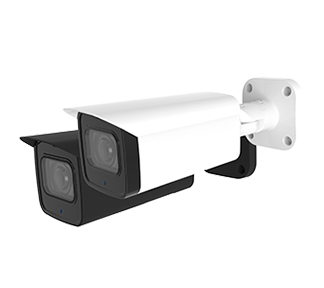
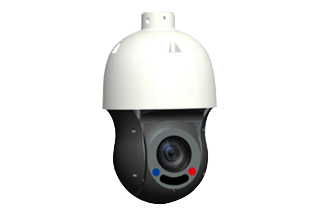
Modern systems now combine artificial intelligence, cloud computing, and IoT integration to create smarter, faster, and more secure security solutions. As we move deeper into 2026, several major trends are shaping the future of IP cameras and redefining how we think about surveillance.
1. Artificial Intelligence and Edge Analytics
AI-driven video analytics are at the heart of the IP camera revolution. Instead of simply recording footage, today’s cameras can analyze it in real time. Facial recognition, object detection, and behavior analysis are now standard features. Edge computing allows these processes to happen directly on the camera itself, reducing latency and network load.
This means security systems can respond instantly — sending alerts when suspicious behavior is detected or filtering out irrelevant motion events like pets or passing cars.
2. Cloud-Based Surveillance Solutions
The cloud is becoming the central hub for IP camera systems. Businesses and homeowners alike are moving toward cloud-based storage and management because it offers scalability, remote access, and enhanced data redundancy.
Hybrid models, which combine local and cloud storage, are also gaining traction as they balance reliability with accessibility. Expect more vendors to offer subscription-based services with integrated AI analytics in the near future.
3. Cybersecurity and Data Protection
As IP cameras connect to networks and the internet, cybersecurity has become a top concern. Manufacturers are now prioritizing end-to-end encryption, two-factor authentication, and regular firmware updates to protect user data.
Future systems will likely include built-in anomaly detection to identify unauthorized access attempts, ensuring that digital eyes remain secure as well as sharp.
4. 4K, 8K, and Beyond
The demand for higher-resolution imaging continues to grow. 4K is now common in mid-range IP cameras, while 8K models are slowly entering the professional market. These cameras capture incredible detail, making identification and evidence gathering more effective than ever — though they also demand more bandwidth and storage, driving innovation in compression technologies like H.265+ and AI-assisted encoding.
5. Integration with Smart Ecosystems
IP cameras are no longer standalone devices. They’re becoming key components in broader smart ecosystems — connecting seamlessly with smart locks, lighting, and alarm systems. Voice assistant compatibility (like Alexa or Google Assistant) and mobile app integration make managing security easier than ever.
6. Sustainable and Energy-Efficient Designs
With growing environmental awareness, manufacturers are developing eco-friendly IP cameras that consume less power and use recyclable materials. Solar-powered and PoE (Power over Ethernet) solutions are gaining popularity, especially for outdoor and remote installations.
The IP camera industry is undergoing rapid transformation. The combination of AI, cloud connectivity, cybersecurity improvements, and eco-friendly design is paving the way for a smarter, safer, and more connected world.