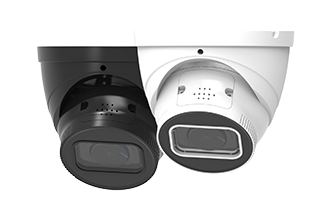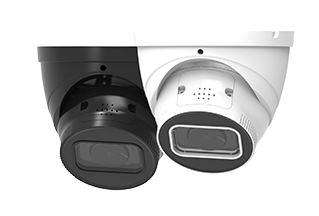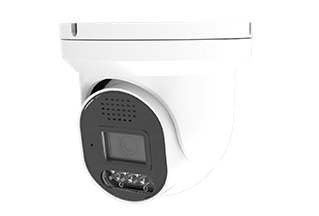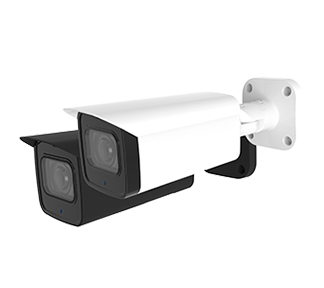
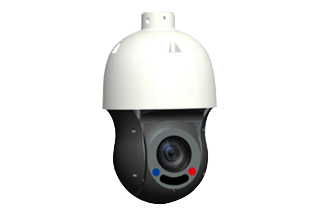
As smart office buildings become the new standard for modern workplaces, security systems are evolving alongside them. Traditional surveillance solutions are no longer enough to meet the demands of connected, data-driven environments. IP cameras—also known as network cameras—have emerged as a core component of smart building infrastructure. With advanced connectivity, intelligent analytics, and seamless integration, IP cameras offer far more than basic video monitoring.
1. Seamless Integration with Smart Building Systems
One of the biggest advantages of IP cameras is their ability to integrate effortlessly with other smart building technologies, including:
- Access control systems
- Smart lighting
- HVAC and energy management systems
- Building management systems (BMS)
Through centralized platforms, security teams and facility managers can monitor video feeds, manage access permissions, and respond to incidents in real time—all from a single dashboard. This level of integration improves operational efficiency and situation awareness.
2. Enhanced Security with Real-Time Monitoring
IP cameras provide 24/7 real-time surveillance with high-definition video quality. Compared with traditional analog systems, they offer:
- Higher resolution for clearer identification
- Remote live viewing via web or mobile apps
- Instant alerts for suspicious activities
This makes it easier for security teams to detect intrusions, monitor restricted areas, and respond quickly to emergencies, improving overall office safety.
3. AI-Powered Video Analytics
Modern IP cameras are equipped with artificial intelligence (AI) and smart analytics, transforming them from passive recording devices into active security tools. Key AI capabilities include:
- Face recognition
- Motion and intrusion detection
- People counting
- Behavior analysis
These features reduce false alarms and help security staff focus only on genuine threats. In smart offices, analytics also support space utilization analysis and employee flow optimization.
4. Improved Access Control and Identity Verification
IP cameras play a critical role in modern access control systems. By combining video surveillance with card readers, biometric scanners, or mobile credentials, buildings can:
- Verify identities visually
- Prevent tailgating
- Track access history
- Enhance audit trails
This layered security approach is especially valuable in high-security office environments such as financial institutions, R&D centers, and data-driven enterprises.
5. Remote Management and Cloud Storage
Smart office buildings often operate across multiple locations. IP cameras enable remote system management, allowing administrators to:
- View live footage from anywhere
- Adjust camera settings remotely
- Perform firmware updates
- Access cloud-based video backups
Cloud storage improves data redundancy and ensures that critical footage is protected even if local hardware fails.
6. Scalable and Cost-Effective Deployment
IP camera systems are highly scalable, making them ideal for growing organizations. New cameras can be added easily without major infrastructure changes. Additional benefits include:
- Reduced cabling through Power over Ethernet (PoE)
- Lower maintenance costs
- Easier upgrades compared to analog systems
Over time, this results in lower total cost of ownership.
7. Better Workplace Safety and Compliance
In smart office environments, safety goes beyond crime prevention. IP cameras support:
- Fire evacuation monitoring
- Crowd control
- Accident investigation
- Compliance with safety regulations
Recorded footage provides valuable evidence during incident reviews, helping organizations improve safety policies and reduce legal risks.
8. Data-Driven Workspace Optimization
Beyond security, IP cameras generate valuable operational data. AI-based analytics can reveal:
- Peak occupancy hours
- Meeting room usage
- Employee movement patterns
- Traffic congestion points
Facility managers can use this data to redesign layouts, improve comfort, and reduce energy waste—directly supporting smart building sustainability goals.
9. Enhanced Employee and Visitor Experience
A secure and well-managed office environment creates confidence for both employees and visitors. With IP cameras:
- Entry is smoother and more secure
- Visitors feel safer
- Employees experience fewer security disruptions
This contributes to higher workplace satisfaction and productivity.
IP cameras are no longer just surveillance devices—they are intelligent, connected systems that play a vital role in smart office buildings. From real-time security and AI analytics to remote management and workspace optimization, the benefits of IP cameras extend far beyond traditional monitoring.