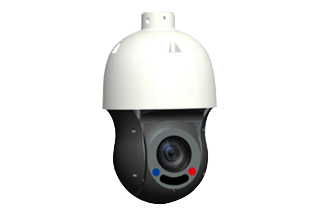
Security and surveillance are becoming increasingly important across industries such as agriculture, construction, transportation, energy, and environmental monitoring. However, many remote locations lack reliable electrical infrastructure and wired internet connectivity, making traditional surveillance systems difficult to deploy.
To solve these challenges, Solar-Powered IP Cameras have emerged as an efficient and sustainable security solution for remote locations. By combining solar energy technology with wireless IP camera systems, organizations can achieve reliable monitoring without depending on traditional power sources.
Why Solar-Powered IP Cameras Are Ideal for Remote Locations
Traditional surveillance systems often require:
- Grid electricity
- Extensive cabling
- Wired internet access
- Complex installation work
In remote areas, these requirements can significantly increase costs and installation difficulty.
Solar-powered IP cameras provide several advantages:
- Independent power supply
- Flexible deployment
- Reduced infrastructure costs
- Sustainable energy operation
- Continuous remote monitoring
These systems are especially useful in isolated or difficult-to-access environments.
Key Benefits of Solar-Powered IP Cameras
Energy Independence
One of the biggest advantages is the ability to operate without external power sources.
Solar panels collect sunlight during the day and charge built-in batteries, allowing cameras to continue operating at night or during cloudy conditions.
#Benefits include:
- Reduced electricity costs
- Reliable off-grid operation
- Lower infrastructure dependency
- Environmentally friendly energy use
Easy Installation and Deployment
Solar-powered systems require minimal wiring compared to traditional surveillance systems.
This helps reduce:
- Installation time
- Labor costs
- Ground excavation work
- Infrastructure complexity
Portable and wireless designs also allow fast deployment in temporary or emergency situations.
Remote Monitoring Capabilities
Modern solar-powered IP cameras support remote access through mobile apps and cloud platforms.
Users can:
- View live video feeds
- Receive motion alerts
- Playback recorded footage
- Manage camera settings remotely
This improves operational efficiency and security management.
Sustainable and Eco-Friendly Operation
Solar-powered systems support environmental sustainability by reducing dependence on fossil fuel-generated electricity.
Environmental benefits include:
- Lower carbon emissions
- Reduced energy consumption
- Renewable energy utilization
- Reduced environmental impact
Many organizations adopt solar surveillance systems as part of their sustainability initiatives.
Reliable Surveillance in Harsh Environments
Solar-powered IP cameras are often designed for challenging outdoor conditions.
Features may include:
- Weatherproof housings
- Dust resistance
- Waterproof protection
- Wide operating temperature ranges
- Corrosion-resistant materials
These technologies help maintain stable performance in remote outdoor environments.
Applications of Solar-Powered IP Cameras
Agricultural and Farm Monitoring
Farmers use solar-powered cameras to monitor:
- Livestock
- Crop fields
- Irrigation systems
- Equipment storage areas
- Farm entrances
Remote surveillance helps improve operational management and reduce theft risks.
Construction Site Security
Construction projects often operate in temporary or undeveloped areas without permanent power infrastructure.
Solar-powered IP cameras help monitor:
- Heavy equipment
- Building materials
- Site access points
- Worker safety
Portable systems can easily move as projects progress.
Oil, Gas, and Energy Facilities
Remote energy infrastructure requires continuous security monitoring.
Applications include:
- Pipeline surveillance
- Solar farm monitoring
- Wind farm security
- Remote substations
- Oil field operations
Solar-powered systems support long-term monitoring in isolated environments.
Transportation and Traffic Monitoring
Transportation agencies use solar-powered cameras for:
- Highway monitoring
- Traffic flow analysis
- Road safety management
- Temporary traffic control zones
These systems improve traffic management without requiring complex electrical installations.
Wildlife and Environmental Monitoring
Researchers and environmental organizations use solar IP cameras for:
- Wildlife observation
- Forest protection
- Environmental research
- Fire prevention monitoring
Silent and energy-efficient systems are ideal for natural environments.
Important Technologies in Solar-Powered IP Cameras
High-Efficiency Solar Panels
Modern solar panels improve power generation even in low-light conditions.
Benefits include:
- Faster charging
- Improved energy conversion
- Better low-sunlight performance
Battery Energy Storage Systems
Rechargeable lithium batteries store solar energy for nighttime operation.
Battery systems help ensure:
- Continuous surveillance
- Stable power supply
- Backup operation during cloudy weather
AI Video Analytics
Advanced IP cameras now support AI-powered features such as:
- Motion detection
- Human recognition
- Vehicle detection
- Intrusion alerts
- Smart event analysis
These technologies improve security efficiency and reduce false alarms.
Wireless Network Connectivity
Remote communication technologies allow flexible system deployment.
Common network options include:
- 4G LTE
- 5G
- Wi-Fi bridges
- Satellite internet
Reliable connectivity enables real-time monitoring from virtually anywhere.
Solar-powered IP cameras provide a reliable, sustainable, and flexible surveillance solution for remote locations. Their ability to operate independently from traditional power infrastructure makes them ideal for agriculture, construction, transportation, energy, environmental monitoring, and industrial security applications.