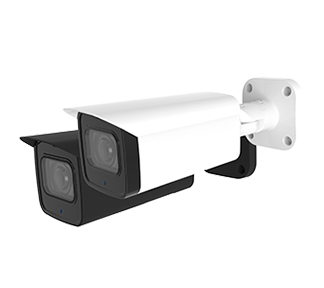
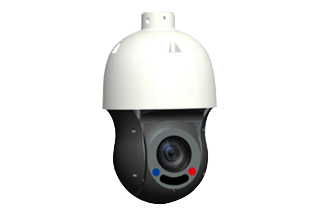
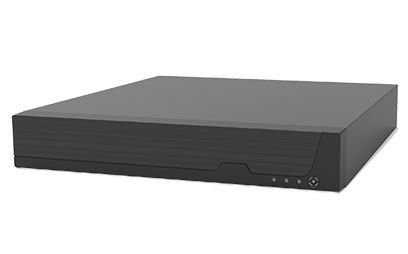
Security monitoring in remote and off-grid locations presents unique challenges that traditional surveillance systems often struggle to address. Areas such as mining sites, oil fields, solar farms, agricultural operations, construction projects, remote warehouses, and rural infrastructure require reliable video surveillance even in environments with limited power supply and unstable internet connectivity.
Modern NVR systems (Network Video Recorder systems) have become an effective solution for these demanding conditions. With advanced networking capabilities, remote access functions, smart video analytics, and compatibility with solar and wireless technologies, NVR systems are transforming security management in isolated environments.
Why Remote and Off-Grid Locations Need NVR Systems
Remote sites are often vulnerable to:
- Theft and vandalism
- Unauthorized access
- Equipment tampering
- Safety incidents
- Environmental hazards
At the same time, these locations frequently face operational limitations such as:
- No wired internet connection
- Limited electrical infrastructure
- Difficult maintenance access
- Harsh environmental conditions
NVR systems provide flexible and scalable surveillance solutions capable of operating effectively in these environments.
Key Advantages of NVR Systems for Off-Grid Surveillance
High-Quality Video Monitoring
NVR systems support high-resolution IP cameras, including:
- 1080p HD cameras
- 4K ultra-HD cameras
- Thermal imaging cameras
- PTZ (pan-tilt-zoom) cameras
High-definition video improves incident detection and evidence collection.
Remote Access and Monitoring
One of the biggest advantages of NVR systems is remote accessibility.
Operators can:
- View live video feeds
- Access recorded footage
- Receive real-time alerts
- Manage cameras remotely
Remote monitoring is especially valuable for isolated facilities with limited on-site personnel.
Flexible Wireless Connectivity
Remote locations may not have wired network infrastructure. Modern NVR systems support:
- 4G and 5G cellular networks
- Satellite internet connections
- Wireless bridge systems
- Wi-Fi connectivity
These communication options allow surveillance systems to function in challenging environments.
Solar-Powered Operation
Many off-grid NVR systems are integrated with solar energy systems.
Benefits include:
- Independent power supply
- Reduced operational costs
- Sustainable energy usage
- Reliable operation in remote areas
Solar-powered surveillance systems are increasingly popular for rural and infrastructure applications.
Scalable Security Architecture
NVR systems allow businesses to expand surveillance coverage easily by adding more IP cameras and storage devices.
This scalability supports:
- Growing industrial operations
- Multi-site monitoring
- Long-term infrastructure expansion
Applications of NVR Systems in Remote Locations
Mining and Quarry Operations
Mining sites often cover large areas with expensive machinery and limited security personnel.
NVR systems help monitor:
- Equipment theft
- Worker safety
- Restricted zones
- Vehicle movement
Thermal and night vision cameras improve monitoring in low-light conditions.
Oil and Gas Facilities
Oil fields and pipeline stations require continuous security monitoring in isolated environments.
NVR systems support:
- Perimeter surveillance
- Leak monitoring integration
- Remote operational oversight
- Emergency incident recording
Solar Farms and Renewable Energy Sites
Renewable energy facilities are commonly located in remote areas.
NVR systems help protect:
- Solar panels
- Power storage systems
- Electrical infrastructure
- Maintenance operations
Solar-powered surveillance aligns well with renewable energy projects.
Agricultural and Farming Operations
Large agricultural sites use NVR systems to monitor:
- Livestock areas
- Equipment storage
- Irrigation systems
- Crop protection zones
Remote video access improves farm management efficiency.
Construction Sites
Temporary construction projects require flexible and mobile security systems.
NVR solutions provide:
- Equipment protection
- Worker safety monitoring
- Site activity documentation
- Remote project supervision
Portable NVR systems are especially useful for evolving construction environments.
Essential Features for Remote NVR Systems
Rugged Environmental Design
Remote surveillance equipment must withstand:
- Extreme temperatures
- Dust and moisture
- Heavy rain and snow
- Wind and vibration
Outdoor-rated NVR hardware improves long-term reliability.
Motion Detection and AI Analytics
Modern NVR systems include intelligent analytics such as:
- Motion detection
- Intrusion alerts
- Facial recognition
- Vehicle detection
- Human activity analysis
AI features reduce false alarms and improve response efficiency.
Large Storage Capacity
Remote sites may require extended video retention periods due to limited physical access.
NVR systems often support:
- High-capacity hard drives
- RAID storage configurations
- Cloud backup integration
Low Power Consumption
Energy-efficient hardware is critical for solar-powered and battery-supported systems.
Modern NVR systems are optimized for reduced power usage without sacrificing performance.
NVR systems have become essential for remote and off-grid security operations by providing flexible, scalable, and intelligent surveillance solutions. Their compatibility with wireless communication, solar power systems, AI analytics, and high-definition IP cameras makes them ideal for industries operating in isolated locations.