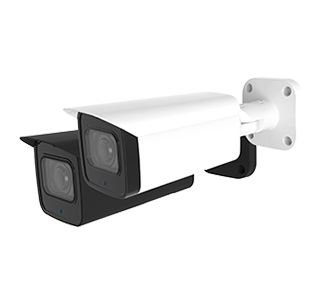
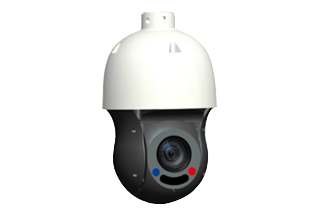
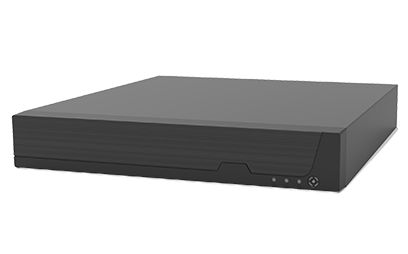
Retail shrinkage can result from shoplifting, employee theft, administrative errors, inventory discrepancies, and other operational problems. For retailers operating multiple stores or large sales floors, identifying the causes of shrinkage can be difficult without reliable surveillance and evidence.
Network Video Recorder (NVR) systems provide a centralized way to record, store, and manage footage from IP cameras. When properly designed and integrated into store operations, an NVR system can help retailers improve visibility, investigate incidents, and strengthen loss-prevention procedures.
1. Creating Reliable Video Evidence
One of the most important functions of an NVR is continuous or scheduled video recording.
When an incident occurs, security personnel can review footage from the relevant camera rather than relying solely on employee reports or customer accounts.
Recorded video may help establish:
-
When an incident occurred
-
Where it occurred
-
Which merchandise was involved
-
How people moved through the area
-
What happened before and after the incident
This makes video surveillance an important part of the investigation process.
2. Improving Camera Coverage
An NVR makes it easier to manage multiple IP cameras across a retail environment.
Instead of focusing on a single entrance or checkout area, retailers can create broader surveillance coverage based on actual risk areas.
For example, cameras can be positioned to monitor:
Entrance → Sales Floor → Checkout → Exit
Additional cameras can cover stockrooms and delivery areas where inventory enters or leaves the building.
Good camera placement is important because simply installing more cameras does not necessarily provide better coverage. Cameras should be positioned to minimize blind spots while maintaining useful viewing angles.
3. Monitoring High-Risk Merchandise
Certain products may be more vulnerable to theft because of their value, size, popularity, or ease of resale.
Retailers can use IP cameras connected to an NVR to focus surveillance on these areas.
For example, cameras may monitor:
-
Electronics
-
Luxury goods
-
Cosmetics
-
Small high-value products
-
Portable accessories
-
Restricted merchandise
When an inventory discrepancy occurs, security teams can quickly review the relevant camera footage.
4. Supporting Self-Checkout Monitoring
Self-checkout has changed the way many retail stores manage transactions. It can also create new challenges for loss prevention.
An NVR system can record activity around self-checkout stations and provide video evidence for later investigation.
When integrated with other retail technologies, video can potentially be reviewed alongside transaction information to identify unusual events.
For example, security personnel may investigate situations involving:
-
Items apparently placed in bags without scanning
-
Product switching
-
Repeated scanning problems
-
Unusual transaction patterns
-
Unauthorized assistance
Video should be used as an investigative tool rather than automatically treating every unusual event as theft.
5. Protecting Stockrooms and Back-of-House Areas
Retail shrinkage does not necessarily occur on the sales floor.
Inventory can also disappear during receiving, storage, transfers, or shipping. For this reason, stockrooms and loading areas should be considered when designing an NVR system.
Cameras can document:
-
Deliveries
-
Inventory movement
-
Loading and unloading
-
Access to restricted areas
-
Stockroom activity
This can help retailers investigate discrepancies between received inventory and recorded inventory.
6. Faster Incident Investigation
Searching through hours of video manually can consume significant time.
Modern NVR systems may provide features such as:
-
Motion detection
-
Event-based recording
-
Time-based searches
-
Camera grouping
-
Playback controls
-
Digital zoom
-
Snapshot capture
-
Remote access
These functions can help security personnel locate relevant footage more efficiently.
For example, if an inventory discrepancy is discovered at 3:00 PM, investigators can narrow the search to the relevant time period and cameras instead of reviewing an entire day's footage.
7. Remote Monitoring Across Multiple Stores
Retailers with multiple locations can benefit from centralized video management.
Depending on the NVR and network architecture, authorized personnel may be able to review cameras from different stores through a centralized management platform.
This can help corporate security teams:
-
Investigate incidents remotely
-
Compare recurring loss patterns
-
Support individual store managers
-
Review security events
-
Coordinate investigations across locations
Remote access should always be protected with appropriate authentication, permissions, and cybersecurity controls.
8. Using Video Analytics to Identify Events
Many modern IP cameras and NVR platforms support intelligent video analytics.
Depending on the system, analytics may include:
-
Motion detection
-
Line crossing
-
Intrusion detection
-
People counting
-
Region-based monitoring
-
Object detection
-
Abnormal activity alerts
These features can help security personnel focus attention on specific events rather than continuously watching every camera feed.
However, analytics accuracy depends on camera placement, lighting, environmental conditions, configuration, and the capabilities of the specific system.
9. Improving Employee Accountability
NVR systems can also improve visibility into employee-only areas without assuming that employees are responsible for shrinkage.
For example, cameras may document activity around:
-
Cash offices
-
Stockrooms
-
Receiving areas
-
Inventory cages
-
Employee entrances
When a discrepancy occurs, recorded footage can provide an objective source of information for an investigation.
Clear policies, appropriate access controls, and compliance with applicable privacy and employment laws remain important when monitoring employees.
10. Combining NVRs With Other Security Systems
An NVR does not have to operate as an isolated system.
Retailers can combine video surveillance with other technologies, such as:
-
Access control
-
Intrusion alarms
-
Electronic article surveillance
-
Point-of-sale systems
-
Visitor management
-
Intercom systems
-
Environmental monitoring
This creates a broader security environment in which different types of information can support an investigation.
For example, an access-control event can indicate when a restricted stockroom was opened, while NVR footage can show activity around the same location.
NVR systems can play an important role in modern retail loss prevention by providing reliable video recording, centralized surveillance management, faster investigations, and better visibility across sales floors and back-of-house areas.
When cameras are strategically positioned and supported by suitable NVR storage, networking, analytics, and security policies, retailers can create a stronger foundation for identifying and investigating shrinkage.
The most effective approach is not simply to install more cameras. Instead, retailers should design an NVR system around their specific risk areas, inventory processes, store layout, and operational requirements.