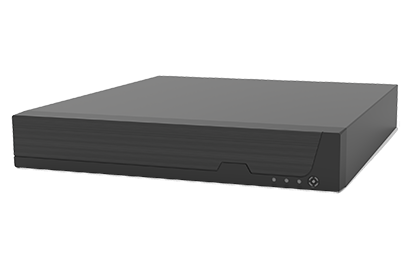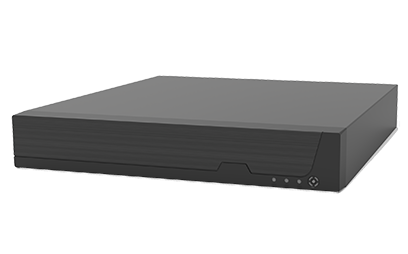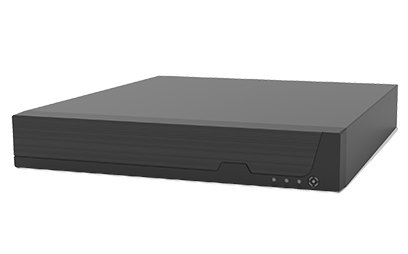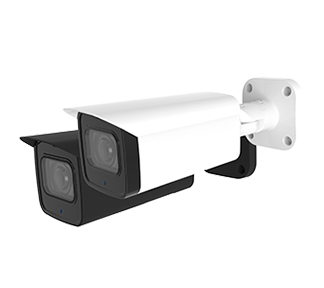
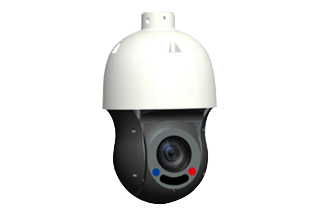
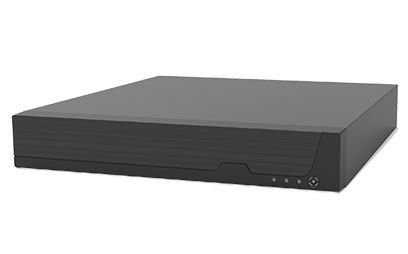
As surveillance technology continues to evolve, the NVR (Network Video Recorder) system has become a cornerstone of modern security infrastructure. Widely used in homes, businesses, and smart cities, NVR systems offer high-definition video recording, remote access, and seamless integration with IP cameras.
However, with increased connectivity comes heightened cybersecurity risks. Protecting NVR systems from cyber threats is now just as important as deploying them for physical security.
Key Cybersecurity Challenges in NVR Systems
1. Unauthorized Access and Weak Authentication
One of the most common risks is unauthorized access due to weak or default passwords. Many systems are deployed without proper credential management, making them easy targets for attackers.
Risks include:
Live feed interception System manipulation Data theft
2. Network Vulnerabilities
Since NVR systems rely on network connectivity, they are susceptible to common network-based attacks such as:
Man-in-the-middle (MITM) attacks Port scanning and exploitation Distributed Denial of Service (DDoS) attacks
Unsecured networks can expose the entire surveillance system to external threats.
3. Outdated Firmware and Software
Failure to update firmware regularly leaves NVR systems vulnerable to known exploits. Cybercriminals often target outdated systems with unpatched security flaws.
4. Data Privacy and Storage Risks
NVR systems store large volumes of sensitive video data. Without proper encryption and access controls, this data can be:
- Stolen or leaked
- Tampered with
- Used for unauthorized surveillance
5. Integration with IoT Devices
Modern NVR systems often integrate with IoT devices, increasing the attack surface. Each connected device can become a potential entry point for hackers.
6. Lack of Encryption
Some low-cost or improperly configured NVR systems do not use strong encryption protocols, making data transmission vulnerable to interception.
Best Practices to Improve NVR System Security
1. Use Strong Authentication
- Change default usernames and passwords immediately
- Enable multi-factor authentication (MFA) where possible
2. Regular Firmware Updates
- Keep NVR software and firmware up to date
- Apply security patches promptly
3. Network Security Configuration
- Use firewalls and secure routers
- Segment surveillance networks from other business networks
- Disable unused ports and services
4. Enable Data Encryption
- Use HTTPS and secure communication protocols
- Encrypt stored video data when possible
5. Access Control Management
- Limit user access based on roles
- Monitor login activity and system logs
6. Secure Remote Access
- Use VPNs instead of direct port forwarding
- Avoid exposing NVR systems directly to the internet
Emerging Technologies for NVR Cybersecurity
AI-Based Threat Detection
Artificial intelligence is being integrated into NVR systems to detect unusual behavior and potential cyber threats in real time.
Cloud Security Enhancements
Cloud-based NVR solutions offer advanced security features such as:
- End-to-end encryption
- Automatic updates
- Centralized security management
Zero Trust Architecture
Adopting a zero-trust model ensures that every access request is verified, reducing the risk of unauthorized entry.
While NVR systems provide powerful surveillance capabilities, they also introduce significant cybersecurity risks if not properly managed. By understanding potential vulnerabilities and implementing best practices, organizations can protect their systems from cyber threats and ensure both physical and digital security.