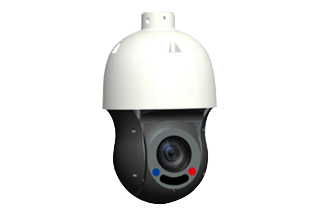
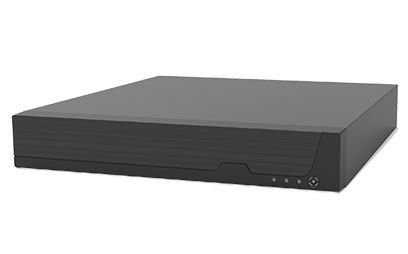
As cities continue to grow and become more interconnected, ensuring public safety has become increasingly complex. Urban areas face challenges such as traffic congestion, crime prevention, emergency response coordination, and infrastructure protection. Traditional surveillance systems often struggle to provide the flexibility, scalability, and intelligence required for modern city environments.
IP cameras have emerged as a critical component of urban security operations. By combining high-definition imaging, network connectivity, remote access, and advanced analytics, IP camera systems enable city authorities to monitor public spaces more effectively and respond to incidents more efficiently. These technologies are helping transform traditional surveillance into intelligent security ecosystems that support safer and smarter cities.
How IP Cameras Improve Urban Security Operations
Real-Time Monitoring of Public Spaces
One of the primary benefits of IP cameras is their ability to provide continuous real-time surveillance across urban environments.
Common monitoring locations include:
-
Streets and intersections
-
Parks and public squares
-
Transportation hubs
-
Government facilities
-
Commercial districts
-
Schools and universities
Live video feeds enable security teams to identify unusual activities and respond before incidents escalate.
Benefits
-
Faster incident detection
-
Improved situational awareness
-
Enhanced public safety
-
Continuous monitoring capabilities
Crime Prevention and Investigation
Visible surveillance infrastructure can act as a deterrent to criminal activities. Potential offenders are often less likely to engage in unlawful behavior when they know an area is actively monitored.
IP cameras also support investigations through:
-
High-resolution video evidence
-
Digital recording and retrieval
-
Event timeline reconstruction
-
Suspect identification assistance
Advanced cameras can capture detailed footage even in challenging lighting conditions, improving evidence quality.
AI-Powered Video Analytics
Modern IP camera systems increasingly incorporate artificial intelligence to automate surveillance tasks.
AI-powered capabilities may include:
Facial Recognition
Helps identify persons of interest in authorized security applications.
Object Detection
Detects abandoned packages, restricted items, or suspicious objects.
Behavior Analysis
Identifies unusual movements, loitering, or unauthorized access attempts.
Crowd Density Monitoring
Measures crowd size and movement patterns to improve safety management.
These analytics reduce the workload on human operators while improving detection accuracy.
Enhancing Traffic Management and Road Safety
Urban traffic systems generate enormous amounts of activity every day. IP cameras help transportation authorities improve traffic efficiency and safety.
Applications include:
-
Monitoring traffic flow
-
Detecting accidents
-
Identifying road obstructions
-
Managing intersections
-
Supporting intelligent transportation systems
Traffic Optimization Benefits
-
Reduced congestion
-
Faster incident response
-
Improved commuter experience
-
Better resource allocation
By integrating IP cameras with traffic control platforms, cities can make data-driven decisions that improve mobility.
Supporting Emergency Response Operations
Rapid emergency response is critical during accidents, natural disasters, and public safety incidents.
IP camera networks provide emergency personnel with:
-
Real-time situational awareness
-
Accurate location information
-
Live incident assessment
-
Remote coordination capabilities
Security teams can quickly evaluate conditions before dispatching responders, improving response efficiency and safety.
Examples
-
Fire emergencies
-
Traffic accidents
-
Public disturbances
-
Severe weather events
-
Infrastructure failures
Protecting Critical Urban Infrastructure
Cities rely on essential infrastructure systems such as:
-
Power stations
-
Water treatment facilities
-
Transportation networks
-
Communication centers
-
Government buildings
IP cameras help secure these assets through continuous monitoring and intelligent alert generation.
Benefits include:
-
Unauthorized access detection
-
Perimeter security monitoring
-
Asset protection
-
Operational oversight
A proactive surveillance approach reduces risks to critical services and public welfare.
Integrating IP Cameras into Smart City Ecosystems
Smart cities leverage connected technologies to improve urban management and quality of life.
IP cameras serve as valuable data collection points within these ecosystems.
Integration Possibilities
-
Internet of Things (IoT) platforms
-
Smart traffic systems
-
Public safety command centers
-
Environmental monitoring networks
-
Emergency management platforms
This interconnected approach allows cities to gain deeper operational insights and improve decision-making.
Cloud-Based Surveillance and Remote Access
Cloud-enabled IP camera systems offer greater flexibility compared to traditional recording solutions.
Advantages include:
-
Remote monitoring from any location
-
Centralized video management
-
Simplified system maintenance
-
Secure data backup
-
Scalability for expanding city networks
Municipal authorities can efficiently manage thousands of cameras through centralized platforms.
IP cameras have become an essential tool for modern urban security operations. Their ability to deliver real-time monitoring, intelligent analytics, remote accessibility, and seamless integration with smart city infrastructure enables municipalities to address security challenges more effectively.
From crime prevention and traffic management to emergency response and infrastructure protection, IP camera technology is helping cities create safer, smarter, and more resilient urban environments. As surveillance technology continues to evolve, IP cameras will remain at the center of intelligent public safety strategies.