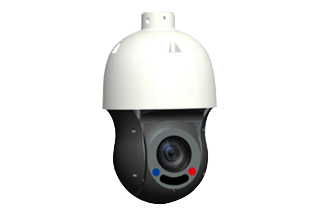
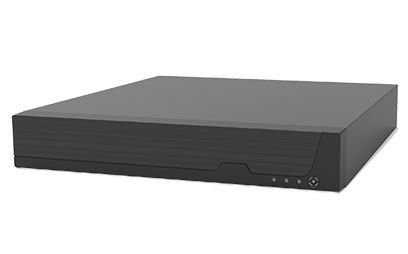
Utility and energy facilities are critical infrastructure assets that require continuous monitoring to ensure operational efficiency, worker safety, and security. Power plants, substations, oil and gas facilities, renewable energy farms, water treatment plants, and transmission networks often cover large areas and operate around the clock. Traditional security methods alone are no longer sufficient to address modern operational and security challenges.
IP cameras have become an essential component of intelligent monitoring systems, providing real-time visibility, advanced analytics, and remote access capabilities. By integrating IP camera technology into utility and energy operations, organizations can enhance situational awareness, reduce risks, and improve overall facility management.
Enhancing Perimeter Security
Detecting Unauthorized Access
Utility facilities often span extensive perimeters that are difficult to monitor manually.
IP cameras help secure these areas through:
-
Continuous perimeter surveillance
-
Motion detection technology
-
Virtual fence monitoring
-
Intrusion detection analytics
-
Automated security alerts
Operators can quickly identify unauthorized activity and dispatch security personnel before incidents occur.
Reducing Theft and Vandalism
Energy infrastructure frequently contains valuable equipment such as transformers, cables, fuel storage systems, and control devices.
IP cameras provide:
-
Visual evidence of suspicious activities
-
Real-time monitoring of high-value assets
-
Faster incident investigation
-
Enhanced asset protection
This significantly reduces the risk of theft-related downtime and financial losses.
Supporting Operational Monitoring
Monitoring Critical Equipment
Beyond security, IP cameras can assist with operational oversight by monitoring:
-
Power generation equipment
-
Turbines and generators
-
Substation assets
-
Pumping systems
-
Storage tanks
-
Renewable energy installations
Real-time visual inspection allows operators to identify abnormalities before they impact production.
Improving Maintenance Efficiency
Maintenance teams can remotely inspect equipment conditions without frequent site visits.
Benefits include:
-
Faster troubleshooting
-
Reduced maintenance costs
-
Improved resource allocation
-
Enhanced equipment uptime
Remote visual verification enables more informed maintenance decisions and minimizes unnecessary interventions.
Enhancing Worker Safety
Safety remains a top priority in utility and energy operations.
Monitoring Hazardous Areas
Certain facility zones may expose personnel to:
-
High-voltage equipment
-
Extreme temperatures
-
Chemical hazards
-
Pressurized systems
-
Confined spaces
IP cameras provide continuous observation of these areas, helping supervisors ensure compliance with safety procedures.
Supporting Emergency Response
During emergencies, live video feeds provide valuable information for decision-makers.
IP camera systems help:
-
Verify incidents quickly
-
Assess risk levels
-
Coordinate emergency teams
-
Improve evacuation procedures
-
Reduce response times
This leads to more effective incident management and enhanced employee protection.
Leveraging AI-Powered Video Analytics
Modern IP cameras increasingly incorporate artificial intelligence and machine learning technologies.
Intelligent Threat Detection
AI-powered analytics can automatically detect:
-
Unauthorized entry
-
Loitering behavior
-
Restricted area violations
-
Abandoned objects
-
Vehicle movement anomalies
Automated detection reduces the burden on security operators and improves response efficiency.
Operational Insights
Advanced analytics can also provide:
-
Traffic flow monitoring
-
Personnel movement analysis
-
Asset utilization tracking
-
Operational trend identification
These insights support better decision-making and facility optimization.
Remote Monitoring Across Distributed Assets
Energy and utility companies often manage assets located across wide geographic regions.
Examples include:
-
Solar farms
-
Wind farms
-
Transmission substations
-
Pipeline networks
-
Water treatment facilities
-
Electrical distribution sites
IP cameras enable centralized monitoring from a single control center, allowing operators to oversee multiple facilities simultaneously.
Advantages include:
-
Reduced travel requirements
-
Faster incident response
-
Lower operational costs
-
Improved network visibility
Integration with Smart Security Systems
Modern IP camera platforms integrate seamlessly with other technologies, including:
Access Control Systems
Integration allows operators to:
-
Verify personnel identities
-
Monitor entry points
-
Review access events
-
Improve facility security management
Alarm Systems
IP cameras can automatically respond to alarms by:
-
Triggering video recording
-
Sending notifications
-
Displaying live footage
-
Supporting rapid incident assessment
SCADA and Industrial Control Systems
Integration with operational platforms provides a more comprehensive view of facility conditions and security events, improving situational awareness.
Applications in Renewable Energy Facilities
Renewable energy infrastructure presents unique monitoring challenges due to remote locations and large operational footprints.
Solar Farms
IP cameras support:
-
Perimeter protection
-
Panel security
-
Maintenance monitoring
-
Environmental observation
Wind Farms
Camera systems help operators:
-
Monitor turbine conditions
-
Secure remote assets
-
Verify maintenance activities
-
Improve operational oversight
As renewable energy investments continue to grow, surveillance technology becomes increasingly important for asset protection and operational efficiency.
Cybersecurity Considerations for IP Camera Deployments
Because IP cameras operate on network infrastructure, cybersecurity should be a key consideration.
Best practices include:
-
Strong password management
-
Encrypted data transmission
-
Secure network segmentation
-
Regular firmware updates
-
Multi-factor authentication
-
Continuous security monitoring
A secure deployment strategy protects both surveillance data and critical operational systems.
IP cameras have evolved far beyond traditional video surveillance devices. In utility and energy facilities, they serve as powerful tools for security, operational monitoring, asset protection, and worker safety. Their ability to provide real-time visibility, intelligent analytics, and remote access makes them a valuable component of modern infrastructure management.
As utility providers and energy operators continue to modernize their facilities, investing in advanced IP camera systems can help improve reliability, strengthen security, reduce operational costs, and support the long-term resilience of critical infrastructure.