In modern security and surveillance systems, the ability to maintain complete situational awareness is critical. One of the biggest challenges in traditional camera setups is the presence of blind spots — areas outside the field of view where incidents can go unnoticed. Coordinated PTZ (Pan-Tilt-Zoom) camera networks are emerging as a powerful solution to eliminate these coverage gaps and improve overall monitoring efficiency.
The Problem with Conventional Surveillance
Conventional fixed cameras provide consistent monitoring but cover only a specific angle. To achieve 360° surveillance, multiple units are often required, leading to increased costs and system complexity. Even with multiple fixed cameras, overlaps and blind zones can still occur, particularly in dynamic environments such as parking lots, airports, logistics centers, and public spaces.
The Power of PTZ Camera Coordination
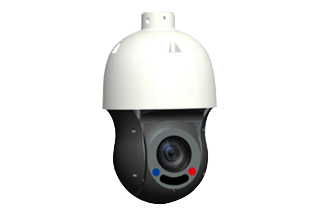
PTZ cameras offer the unique advantage of movement — they can pan, tilt, and zoom to track targets dynamically. When integrated into a coordinated network, multiple PTZ cameras can communicate and work together, ensuring continuous coverage without leaving any area unmonitored.
Through intelligent coordination:
- Cameras can hand off targets to one another as they move across zones.
- AI-based tracking algorithms enable automatic focus on moving objects while maintaining area coverage.
- Event-driven triggers allow one PTZ unit to zoom in for details while another maintains a wide overview.
This approach minimizes the risk of losing critical information and optimizes monitoring resources.
Integration with Smart Analytics
Modern PTZ networks leverage AI and video analytics to enhance coordination. Features such as object recognition, motion detection, and behavioral analysis allow the system to decide automatically which camera should respond to a detected event. By analyzing real-time data, the network can dynamically adjust its viewing angles and zoom levels, ensuring continuous and intelligent surveillance.
Applications Across Industries
Coordinated PTZ camera networks are widely used across diverse sectors:
- Urban surveillance: For smart cities, PTZ coordination ensures uninterrupted monitoring of streets and intersections.
- Transportation hubs: Airports, train stations, and ports benefit from dynamic coverage of large, open areas.
- Industrial facilities: Automated PTZ systems can track vehicles, equipment, and personnel in real time.
- Event broadcasting: Multiple PTZ cameras can synchronize their movements to follow performers or sports action seamlessly.
Designing an Effective PTZ Network
Implementing a coordinated PTZ camera network requires careful planning:
1. Strategic placement: Identify potential blind spots and overlapping coverage areas.
2. Network integration: Use compatible NVR or VMS platforms that support PTZ coordination.
3. Automation setup: Configure tracking rules, trigger zones, and AI behavior parameters.
4. Continuous optimization: Regularly analyze video analytics data to fine-tune performance.
By reducing blind spots through coordinated PTZ camera networks, organizations can achieve smarter, more adaptive surveillance coverage. These systems not only enhance security but also optimize the use of monitoring resources. As AI and IoT technologies continue to evolve, PTZ coordination will play a central role in the next generation of intelligent video surveillance systems.