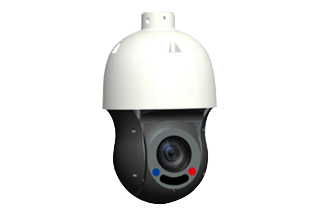
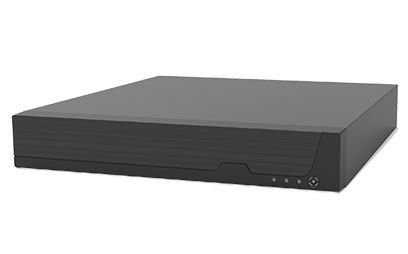
As urban populations grow and transportation networks become more complex, efficient traffic monitoring and management are essential for ensuring safety and mobility. PTZ (Pan-Tilt-Zoom) cameras have emerged as a powerful tool in modern traffic systems, offering dynamic coverage, real-time control, and intelligent monitoring capabilities. These cameras play a key role in improving traffic flow, reducing congestion, and enhancing road safety.
Importance of Traffic Monitoring Systems
Effective traffic monitoring helps:
- Reduce congestion and travel time
- Improve emergency response
- Enhance road safety
- Support law enforcement
- Enable data-driven urban planning
PTZ cameras are at the center of these systems, providing real-time visual insights and actionable data.
Key Benefits of PTZ Cameras in Traffic Management
1. Wide-Area Coverage
A single PTZ camera can monitor large areas, reducing the need for multiple fixed cameras and lowering infrastructure costs.
2. Real-Time Control
Operators can instantly adjust camera angles and zoom in on incidents, enabling faster decision-making.
3. High-Resolution Imaging
Modern PTZ cameras provide high-definition video, allowing for accurate identification of vehicles, license plates, and traffic conditions.
4. Auto-Tracking Capabilities
AI-powered PTZ cameras can automatically track moving vehicles or incidents, improving monitoring efficiency.
5. Integration with Smart Systems
PTZ cameras can be integrated with intelligent traffic management systems, including:
- Automatic number plate recognition (ANPR)
- Traffic signal control systems
- Incident detection software
Applications in Traffic Monitoring
Intersection Monitoring
PTZ cameras help manage busy intersections by detecting congestion, monitoring signal compliance, and identifying violations.
Highway Surveillance
They provide continuous monitoring of highways, detecting accidents, stalled vehicles, and traffic bottlenecks.
Law Enforcement Support
PTZ cameras assist authorities in tracking suspicious activities, enforcing traffic laws, and gathering evidence.
Emergency Response
Real-time video feeds help emergency services quickly assess situations and respond efficiently.
Advanced Technologies in PTZ Traffic Systems
AI and Video Analytics
Modern PTZ cameras use artificial intelligence to:
- Detect accidents automatically
- Analyze traffic patterns
- Identify unusual behavior
Remote and Cloud-Based Control
Operators can manage PTZ cameras remotely via cloud platforms, enabling centralized traffic management.
Integration with IoT and Smart Cities
PTZ cameras are a critical component of smart city infrastructure, working alongside sensors and connected devices to optimize urban mobility.
Best Practices for Deployment
- Position cameras at strategic high points for maximum visibility
- Use weatherproof and high-durability models
- Integrate with centralized monitoring systems
- Implement regular maintenance schedules
- Ensure compliance with local privacy laws
PTZ cameras are transforming traffic monitoring and management by providing flexible, real-time, and intelligent surveillance solutions. Their ability to cover large areas, track incidents, and integrate with smart systems makes them indispensable in modern transportation infrastructure. As cities continue to evolve, PTZ camera technology will play an even greater role in creating safer, more efficient, and smarter road networks.