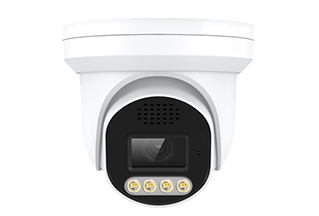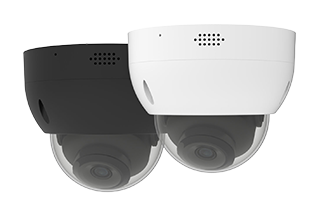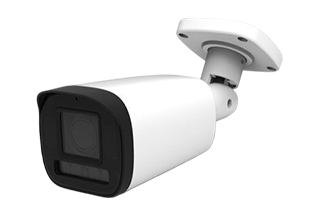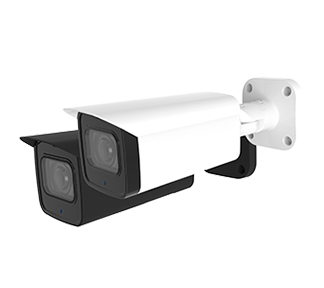
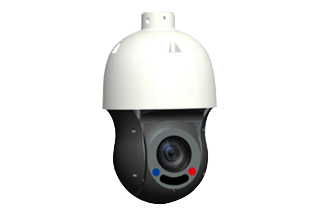
Installing an IP camera system is one of the most effective ways to enhance security for homes, businesses, warehouses, and public spaces. However, simply owning high-quality cameras is not enough—placement plays a critical role in maximizing security performance.
Poor positioning can create blind spots, reduce image clarity, and limit the effectiveness of surveillance systems. On the other hand, strategically placed IP cameras can significantly improve monitoring coverage, threat detection, and incident response.
Key Principles of Effective IP Camera Placement
1. Cover All Entry and Exit Points
The most important rule in surveillance planning is to secure all access points.
Key areas include:
-
Main doors
-
Back doors
-
Garage entrances
-
Loading docks
-
Emergency exits
These are the most common points of unauthorized access and should always be prioritized.
2. Eliminate Blind Spots
Blind spots are areas not visible to any camera. They significantly reduce security effectiveness.
To reduce blind spots:
-
Use overlapping camera angles
-
Install cameras at corners of buildings
-
Combine wide-angle and zoom cameras
-
Conduct a full site walkthrough before installation
A well-designed system ensures continuous visual coverage.
3. Install Cameras at Optimal Height
Camera height affects both visibility and protection from tampering.
Recommended placement:
-
2.5 to 4 meters (8–13 feet) for most environments
-
High enough to avoid easy interference
-
Low enough to capture facial details clearly
For outdoor environments, higher placement may be necessary for wider coverage.
4. Focus on High-Risk Areas
Some areas require more attention due to higher security risks:
-
Cash handling zones
-
Storage rooms
-
Server rooms
-
Parking lots
-
Reception areas
-
Restricted access zones
Installing IP cameras in these locations improves threat detection and response time.
5. Ensure Proper Lighting Conditions
Lighting has a major impact on IP camera performance.
Best practices include:
-
Avoid direct sunlight exposure
-
Use infrared (IR) cameras for low-light areas
-
Install supplementary lighting where needed
-
Prevent strong backlight situations
Good lighting ensures clearer images and better facial recognition.
6. Use Proper Viewing Angles
Camera angle determines how much detail can be captured.
Optimal strategies:
-
Angle cameras slightly downward for facial visibility
-
Avoid extreme upward angles
-
Position cameras to capture movement paths
-
Cover entry paths rather than static walls
Correct angles improve both detection and identification accuracy.
7. Secure Outdoor Camera Placement
Outdoor IP cameras require additional planning due to environmental exposure.
Important considerations:
-
Weatherproof (IP66/IP67) housing
-
Protection from vandalism
-
Avoiding rain splash zones
-
Shielding from glare and reflections
Common outdoor placements include:
-
Building perimeters
-
Gates and fences
-
Driveways
-
Parking areas
8. Use Wide Coverage for Open Areas
Large open spaces require strategic coverage to reduce the number of cameras needed.
Solutions include:
-
Wide-angle IP cameras
-
PTZ (Pan-Tilt-Zoom) cameras
-
Strategic corner mounting
-
Elevated installation points
This ensures full coverage with minimal hardware.
9. Secure Network and Power Access Points
Even the best placement fails if power and connectivity are unstable.
Ensure:
-
Stable PoE (Power over Ethernet) connections
-
Secure cable routing
-
Protected network switches
-
Backup power systems (UPS)
This improves system reliability and uptime.
10. Plan for Scalability and Future Expansion
Security needs grow over time. Placement should support expansion.
Best practices:
-
Leave room for additional cameras
-
Use scalable network architecture
-
Avoid obstructive fixed installations
-
Plan for future blind spot coverage
A flexible layout reduces future installation costs.
Optimizing IP camera placement is essential for building a reliable and effective surveillance system. Proper positioning ensures complete coverage, reduces blind spots, and improves threat detection across all monitored areas.