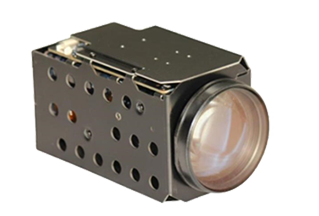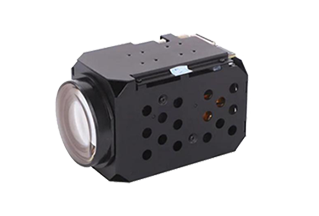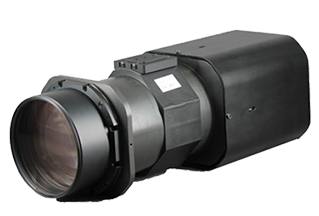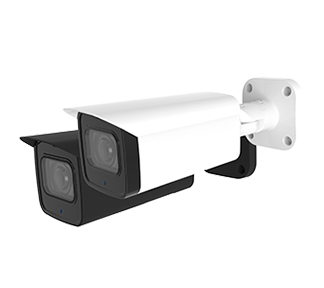
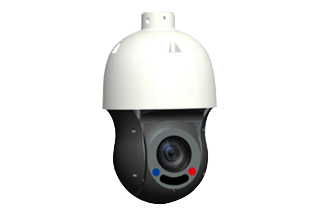
As security demands continue to grow across industries, traditional surveillance systems are no longer sufficient to handle large-scale monitoring and real-time threat detection. PTZ (Pan-Tilt-Zoom) cameras with automation capabilities are redefining modern security by offering intelligent tracking, remote control, and proactive monitoring.
By integrating automation and AI-driven technologies, PTZ cameras significantly improve surveillance efficiency, reduce manual workload, and enhance overall security performance.
Key Features of Automated PTZ Cameras
1. Auto-Tracking Technology
One of the most powerful features of PTZ automation is auto-tracking. The camera can automatically detect and follow moving objects such as people or vehicles.
Benefits include:
- Continuous subject monitoring
- Reduced need for manual camera control
- Faster response to potential threats
2. Preset Positions and Patrol Routes
Automated PTZ cameras can be programmed with preset positions and scheduled patrol routes. This allows the system to monitor multiple zones in a structured manner.
Use cases:
- Perimeter security
- Warehouse monitoring
- Public area surveillance
3. Intelligent Video Analytics
Modern PTZ systems integrate AI-based analytics to identify unusual activities, such as:
- Intrusion detection
- Line crossing
- Loitering behavior
These features help security teams respond proactively rather than reactively.
4. Remote Control and Integration
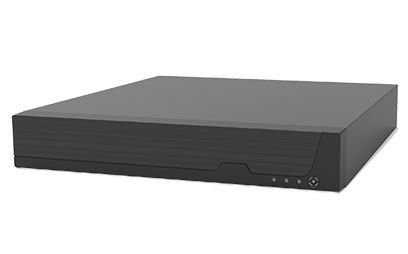
PTZ cameras can be controlled remotely via software platforms, mobile devices, or centralized systems such as NVR (Network Video Recorder) and VMS (Video Management Systems).
This allows operators to manage multiple cameras across different locations efficiently.
5. Low-Light and Night Vision Capabilities
Automated PTZ cameras are equipped with advanced imaging technologies to ensure clear visibility in low-light or nighttime conditions, maintaining security around the clock.
Benefits of PTZ Camera Automation
1. Improved Monitoring Efficiency
Automation allows a single PTZ camera to cover large areas that would otherwise require multiple fixed cameras. This reduces equipment costs and simplifies system design.
2. Reduced Human Intervention
By automating routine surveillance tasks, security personnel can focus on critical decision-making rather than manual camera operation.
3. Faster Threat Detection
AI-powered analytics and auto-tracking enable real-time identification of suspicious activities, improving response times and minimizing risks.
4. Cost Optimization
Fewer cameras, reduced labor requirements, and improved system efficiency contribute to lower overall operational costs.
5. Enhanced Situational Awareness
With dynamic movement and zoom capabilities, PTZ cameras provide detailed views of incidents, helping security teams better understand and respond to situations.
Best Practices for Implementing PTZ Camera Automation
- Define monitoring zones clearly to optimize camera coverage
- Use AI analytics strategically to reduce false alarms
- Integrate with NVR/VMS systems for centralized management
- Regularly update software to maintain system performance
- Conduct routine maintenance for long-term reliability
PTZ camera automation is revolutionizing the security industry by combining intelligent control, real-time analytics, and flexible monitoring capabilities. It enables organizations to improve surveillance efficiency, reduce operational costs, and respond more effectively to potential threats.