In fast-paced retail environment, loss prevention has become a top priority for store owners and security managers. Shrinkage due to theft, fraud, and operational errors continues to affect profit margins across the industry. To combat these challenges, many retailers are turning to Smart NVR (Network Video Recorder) Systems as a reliable and intelligent surveillance solution.
1. The Role of NVR Systems in Modern Retail Security
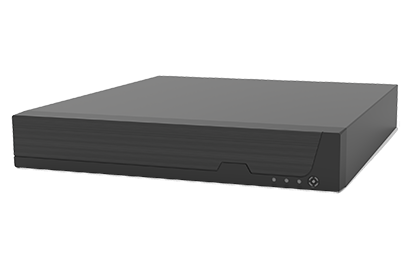
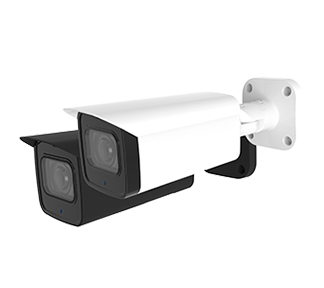
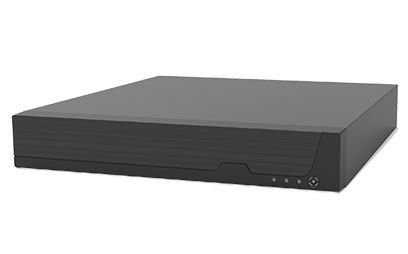
A Network Video Recorder (NVR) serves as the backbone of modern IP-based surveillance systems. Unlike traditional DVRs, which rely on analog signals, NVRs record video footage from IP cameras over a network. This allows retailers to enjoy high-definition video quality, remote monitoring, and flexible scalability—critical features for multi-location store operations.
Smart NVR systems go beyond basic recording; they incorporate AI-driven analytics, motion detection, and facial recognition, offering deeper insights into store activity. This intelligent monitoring helps detect suspicious behavior early, enabling proactive responses to potential theft or fraud.
2. Reducing Theft and Shrinkage with AI-Powered Analytics
Traditional video surveillance can be reactive, often providing evidence only after a loss has occurred. Smart NVR systems, however, use real-time analytics to detect anomalies such as loitering, crowding near high-value products, or repeated visits by known offenders.
With built-in facial recognition and object tracking, these systems can alert staff instantly when unusual activity is detected, drastically reducing response times and improving overall store safety.
Additionally, NVR systems equipped with POS (Point-of-Sale) integration can synchronize video with transaction data. This feature allows managers to review suspicious refunds, voids, or cancellations alongside recorded footage—helping identify and prevent internal theft or cashier fraud.
3. Enhancing Operational Efficiency
Beyond security, smart NVR systems also contribute to operational efficiency. Retailers can analyze customer flow patterns, dwell times, and peak shopping hours to optimize store layout and staff deployment. Heat mapping and people-counting features derived from video analytics provide valuable insights into consumer behavior, driving both safety and sales performance.
Moreover, NVR systems support remote access via mobile apps or cloud platforms, allowing managers to oversee multiple store locations from anywhere. This flexibility is particularly valuable for franchise owners and regional supervisors.
4. Data Storage and Cybersecurity Considerations
Retail environments generate vast amounts of video data daily. Modern NVR systems address this by offering scalable storage options, from local hard drives to secure cloud-based storage. Advanced encryption and multi-level access controls ensure that sensitive footage remains protected from unauthorized access or cyberattacks.
Regular firmware updates and secure network configurations are essential to maintain NVR system reliability and data integrity.
5. The Future of Retail Surveillance
As artificial intelligence and edge computing technologies evolve, Smart NVR Systems are becoming more efficient, compact, and capable of autonomous decision-making. Integration with broader retail management platforms will further enhance predictive security, enabling stores to anticipate and prevent incidents before they occur.
Retailers that adopt these next-generation systems are not only protecting their assets but also building safer and smarter shopping environments that boost customer confidence and operational performance.
Smart NVR systems are redefining retail loss prevention through intelligent surveillance, real-time analytics, and centralized management. By investing in advanced NVR solutions, retailers can significantly reduce shrinkage, streamline operations, and ensure a secure shopping experience for customers and employees alike.